
From the Mirror to the World Stage: The Artistic Journey of Appiah Annan
When Appiah Annan was eight years old, he witnessed a dance competition in his Ghanaian neighbourhood that would change the trajectory of his life. Dancers from different suburbs converged, their bodies telling stories through movement, and young Appiah felt an immediate pull. "I always wanted to dance," he recalls. "I really want to do this."
But it would be two years before he formally began training. Two years spent practicing in front of a mirror, learning to recognize himself through movement, discovering what his body could express. That self-taught foundation, born from pure passion and a reflective surface, would eventually lead him to become one of Australia's most prominent ambassadors of West African culture through his company, Asanti Dance Theatre.
The Discipline of Dawn
Annan's early training in Ghana was far from the structured dance academies common in the West. Instead, he and a friend approached a local dancer named Omari with a simple request: they wanted to learn. "We are the first ones that he started the group with," Annan explains. "It wasn't like he had an academy going before we joined it. But we were the ones approaching to initiate the start."
What followed was a gruelling regimen that shaped not just Annan's technique, but his entire philosophy toward dance and life. He joined the early-morning runners in Accra, athletes who would wake at 4am and run until 7 or 8am every day, drums playing and voices singing as their feet pounded the earth. "You don't really feel it, you know," he says, "And I also feel that after being trained hard and having a shower, it makes me relax a lot."
This daily ritual of physical challenge created what Annan describes as a profound sense of being grounded and strong.
Finding Recognition Through Perseverance
The journey wasn't without its skeptics. While Annan's parents initially supported his passion, their enthusiasm waned as they struggled to see where his dancing would lead. But Annan's response was characteristically straightforward: "I just kept on doing it. And that's the key to everything."
His persistence paid off. By 1998, Anan was winning regional dance championships in Ghana. His group trained every day and performed at funerals, parties, and festivals. They became known by their distinctive uniform—black and white long sleeves. They became known by various nicknames, monikers that weren't always complimentary. "They were not saying it in a very cool way," Annan admits. "It's like, oh, look at those black and white dancers, you know, not like addressing us to be very, very good."
Today, those same sceptics watch as Annan and his contemporaries have established themselves internationally. "Everybody’s outside of the country," he notes with quiet satisfaction.
The Cultural Bridge
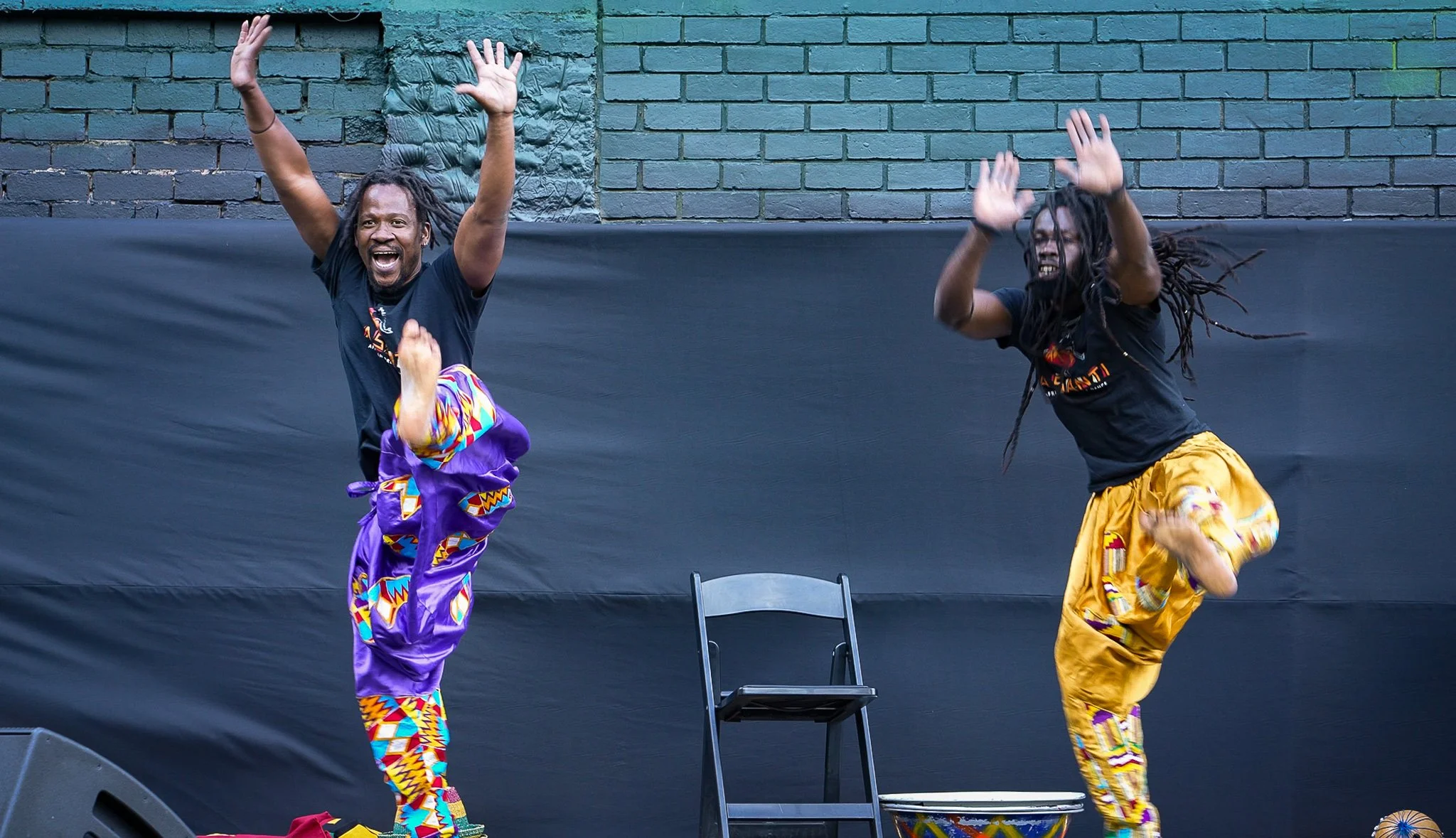
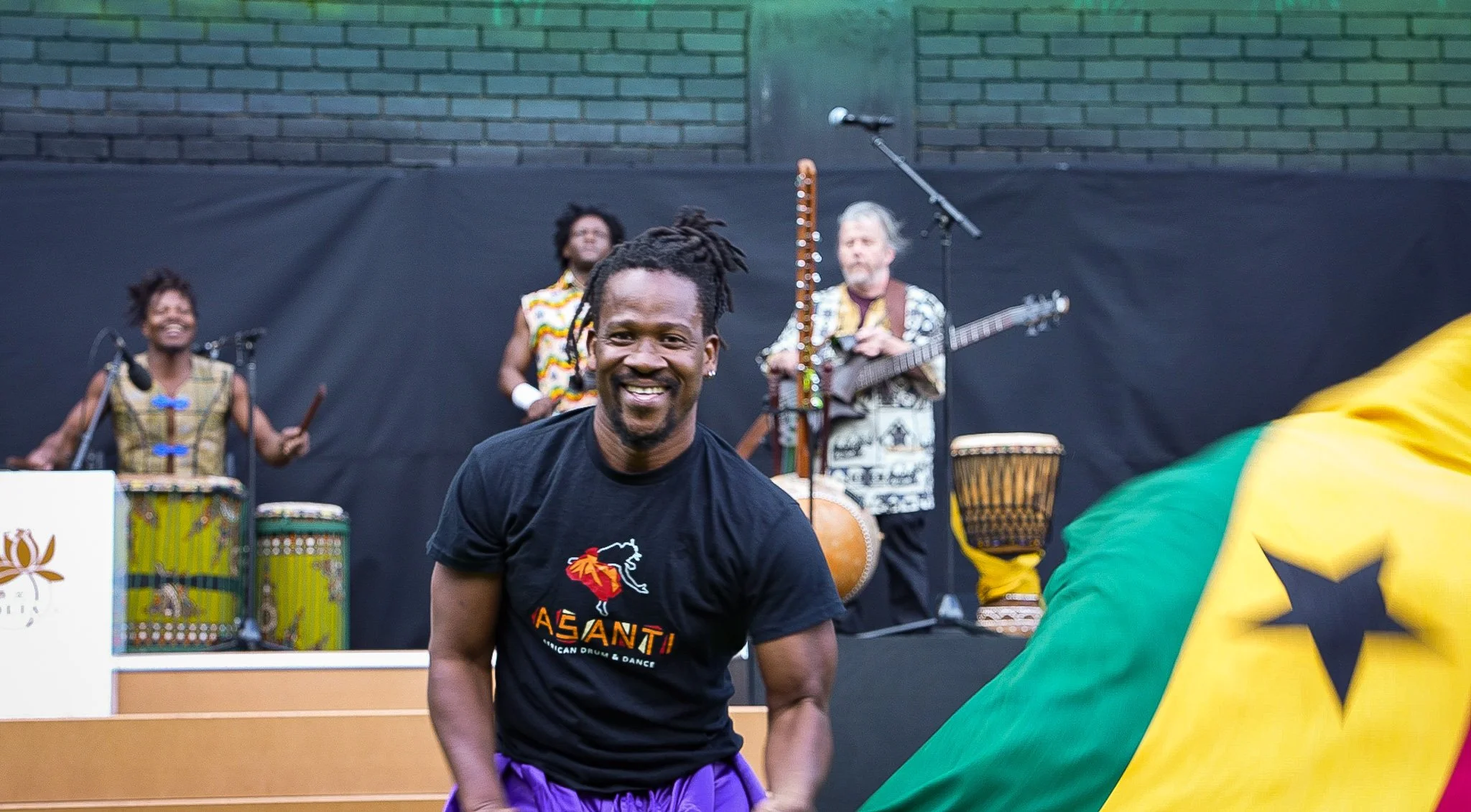
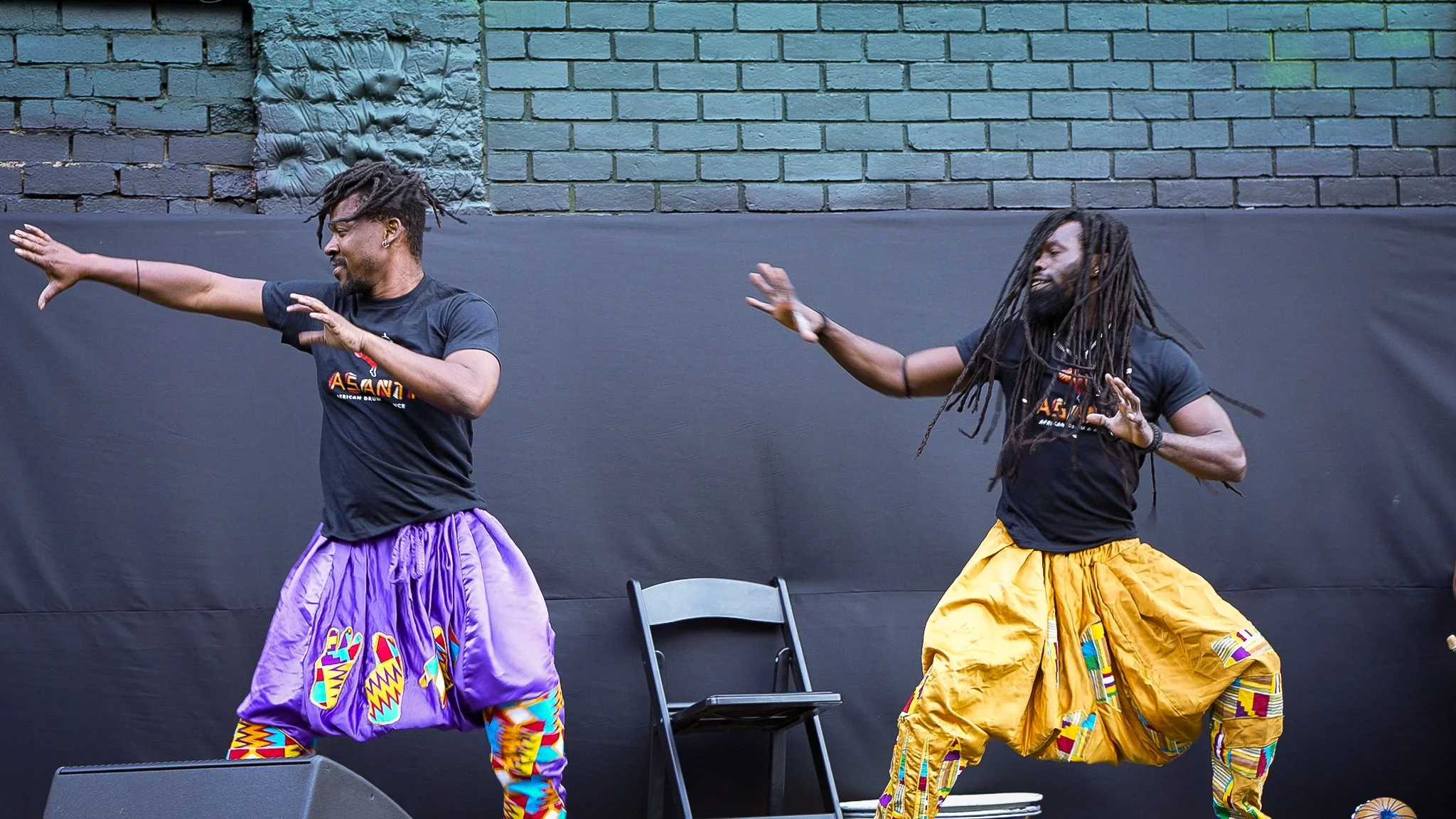
Annan's move to Australia in the early 2000s marked the beginning of his most ambitious project yet. Asanti Dance Theatre, which he founded and now directs, has become what he calls "the biggest African performance company in Australia". A claim backed by the sheer scale of their productions and the venues they've performed at.
"When I first came here, anytime I see a group of (African) dancers, there was only one or two," he explains. "Asanti is the first one to bring about 10 dancers on stage and musicians, maybe more than 15 on stage."
The company has performed at Australia's most prestigious venues and festivals; the Malthouse Theatre, WOMAD, and the Australian Dance Awards among them. In 2011, Annan received one of the largest grants from the Sidney Myer Foundation, a recognition that opened doors to further funding and artistic collaborations.
But Asanti is more than just a performance company. It's a cultural conduit, bringing Ghanaian artists to Australia and creating what Annan describes as meaningful cross-cultural collaborations. The work addresses a gap Annan identified early: the lack of context and meaning transmitted alongside traditional African dance forms.
"When you come to the West, they ask you, what is the meaning of this? Why are you doing this hand? Why is your hand like this?" he says. These questions, he realized, often couldn't be answered by the dancers themselves. "Those things were taught only when you go to university of dance in Ghana… And sometimes even the artistic director might just say, oh, the dance is like this, they perform at the festival, but there is more to it in every movement and what they mean."
This revelation has shaped Annan's teaching philosophy. He wants new dancers to understand not just the movements, but the cultural narratives embedded within them. "That will help us to make our work very clear".
BESA: The Beat of Belonging
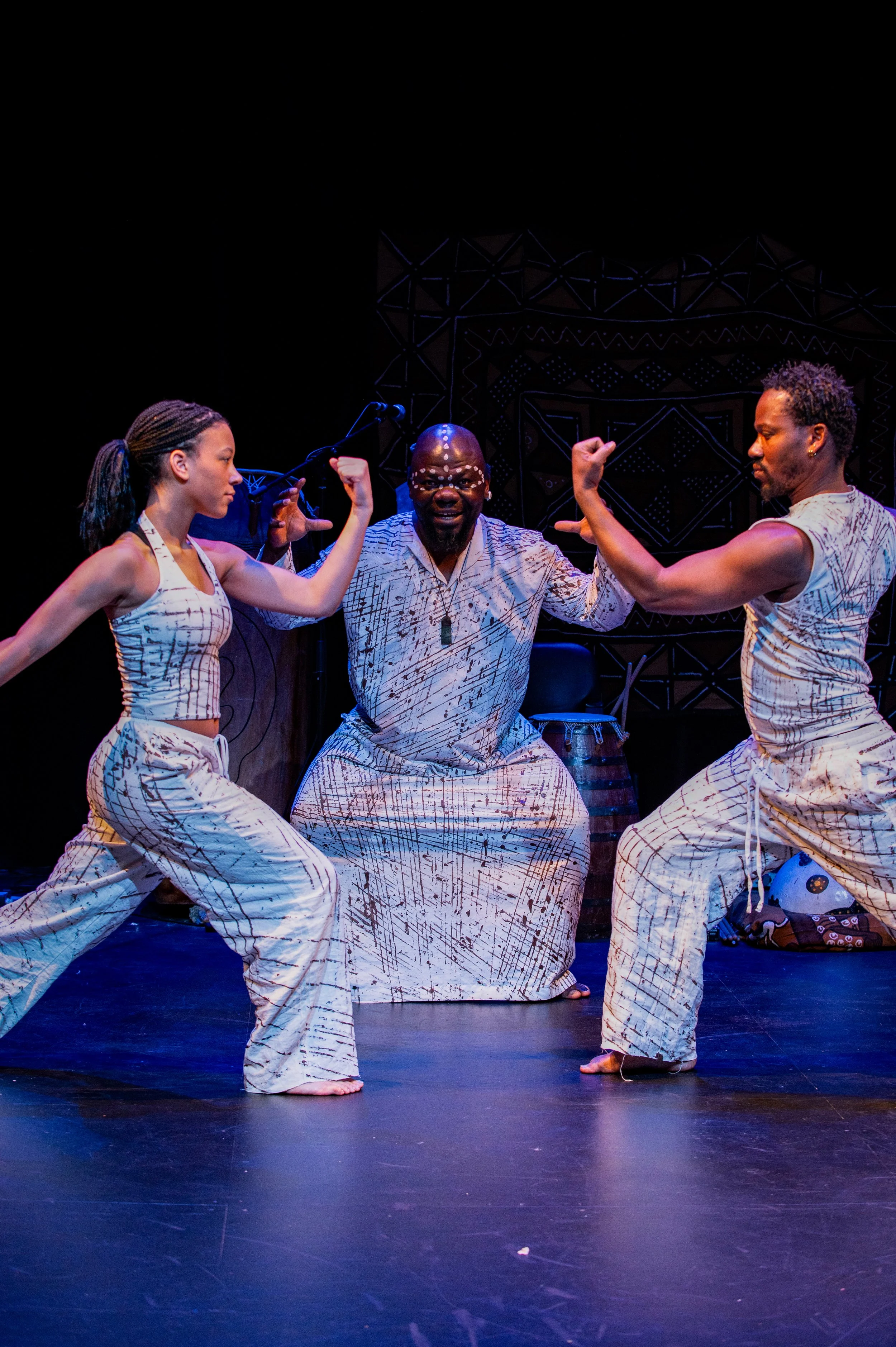
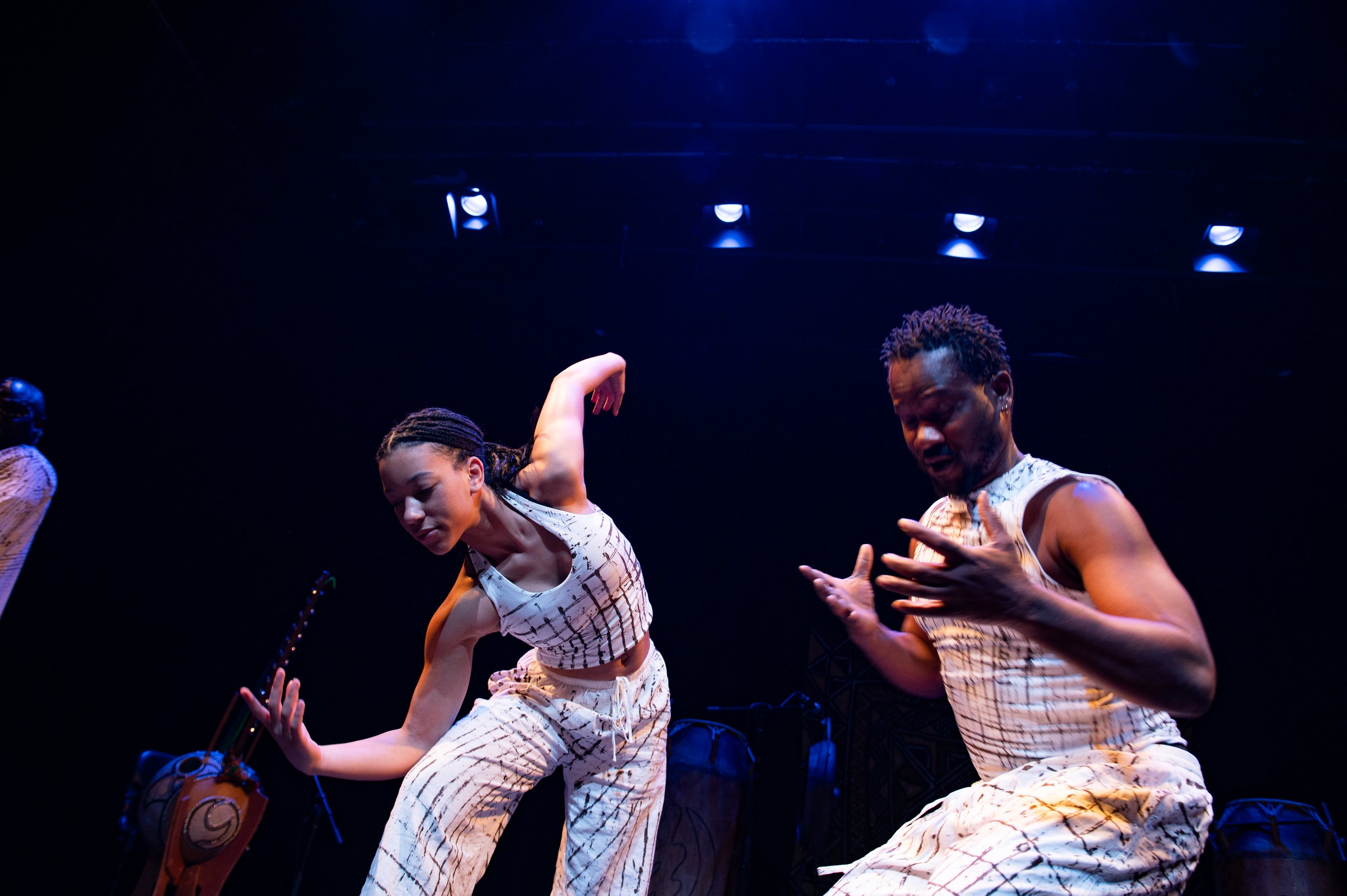
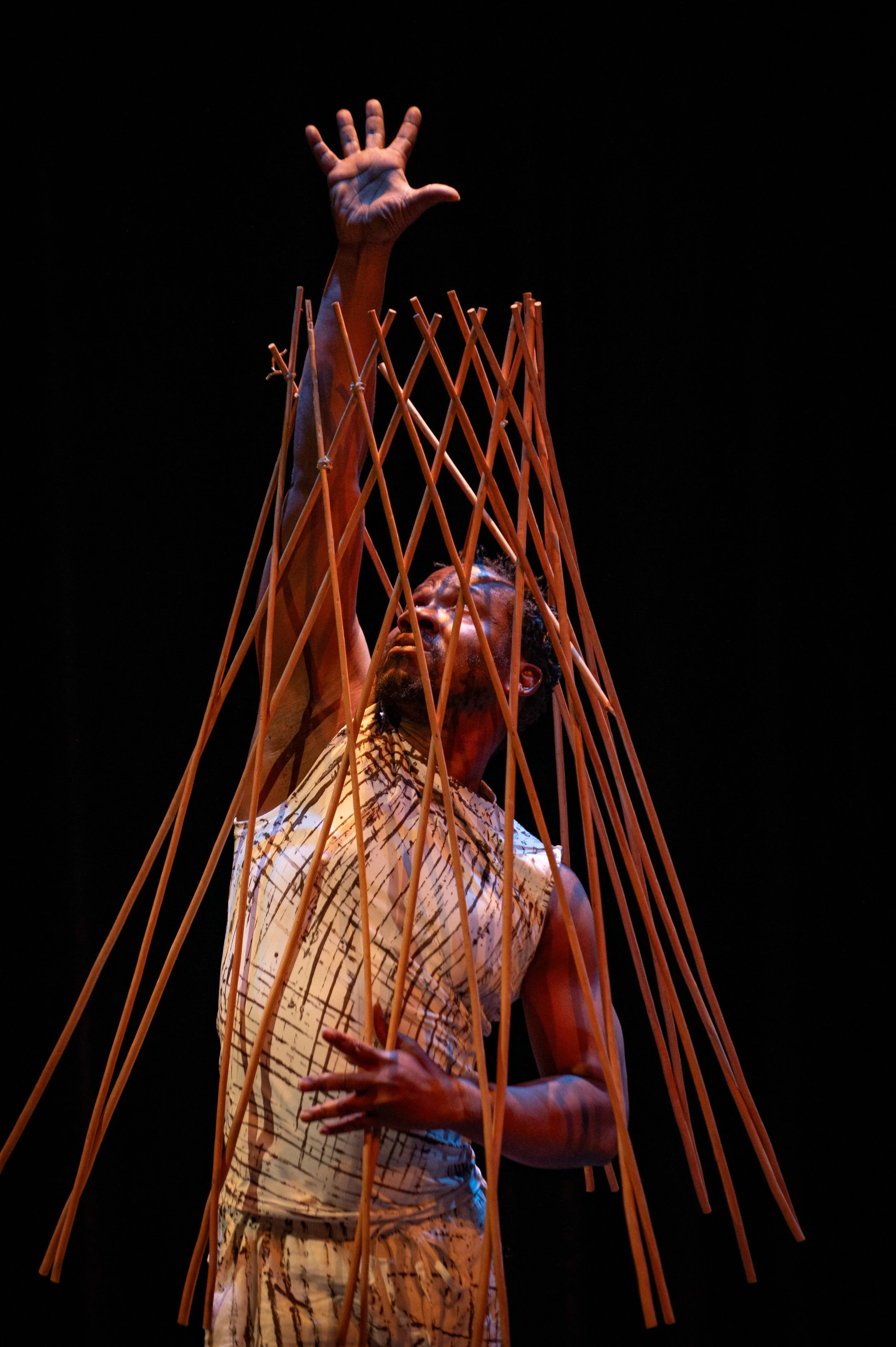
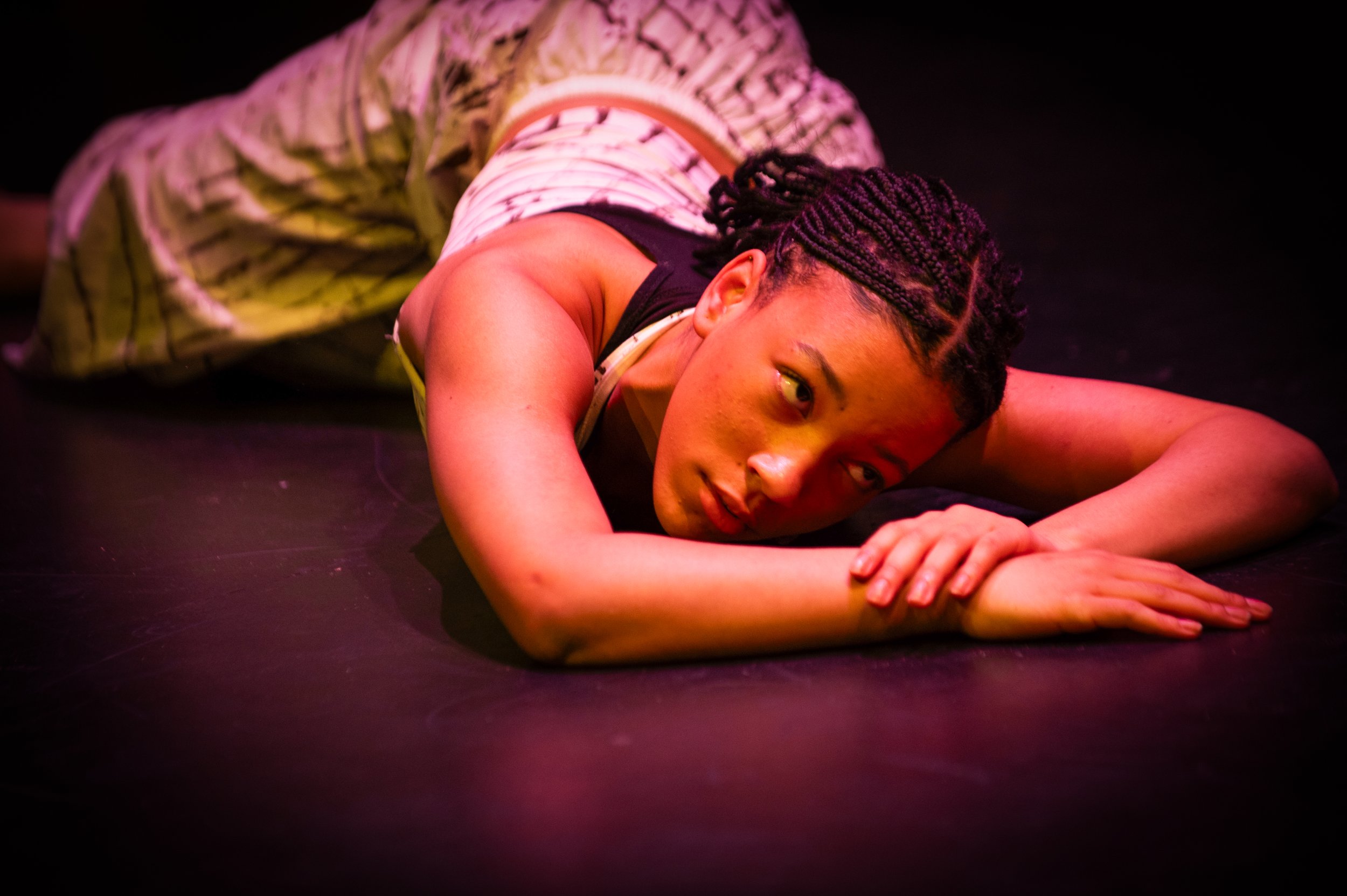
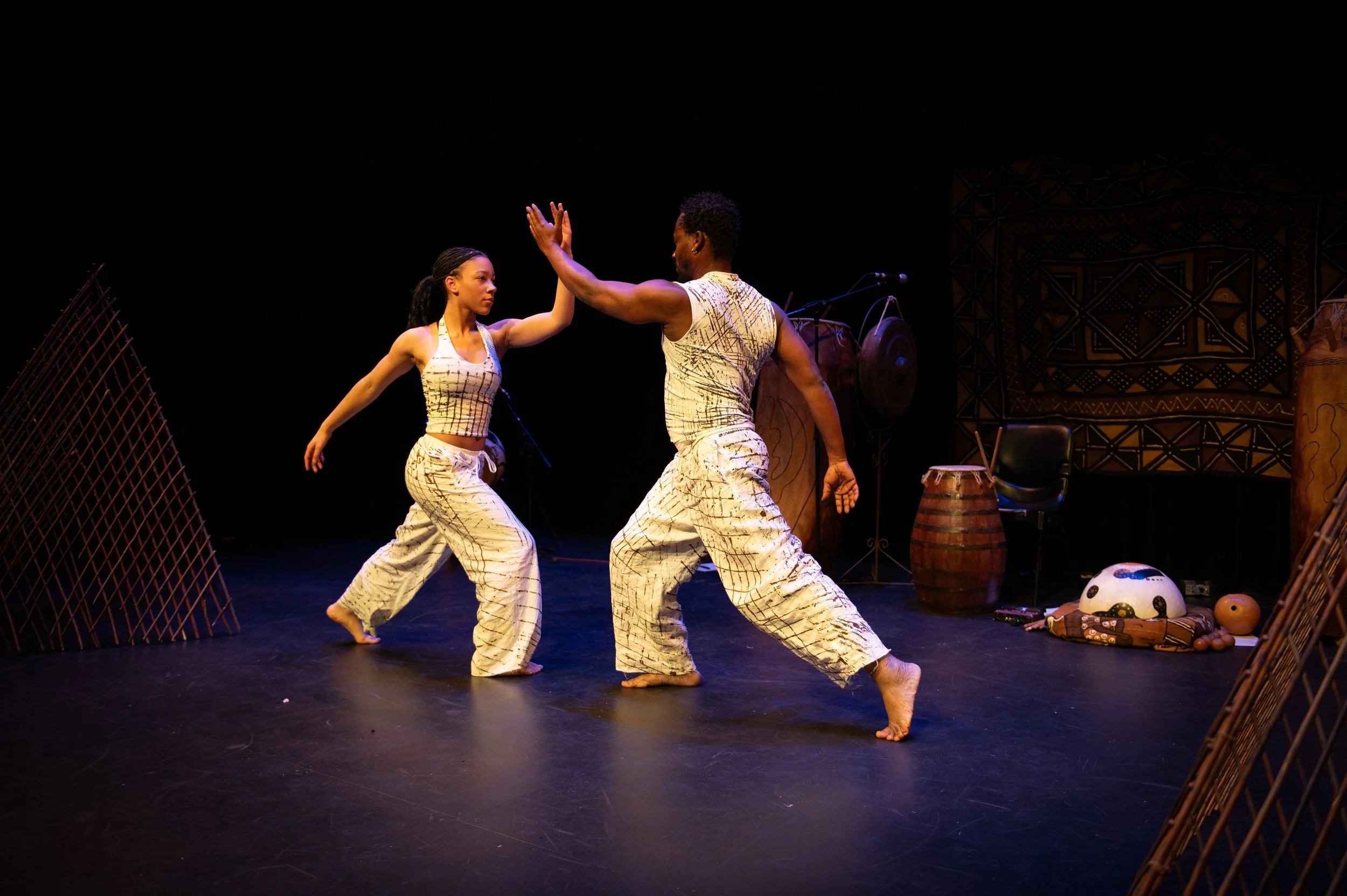
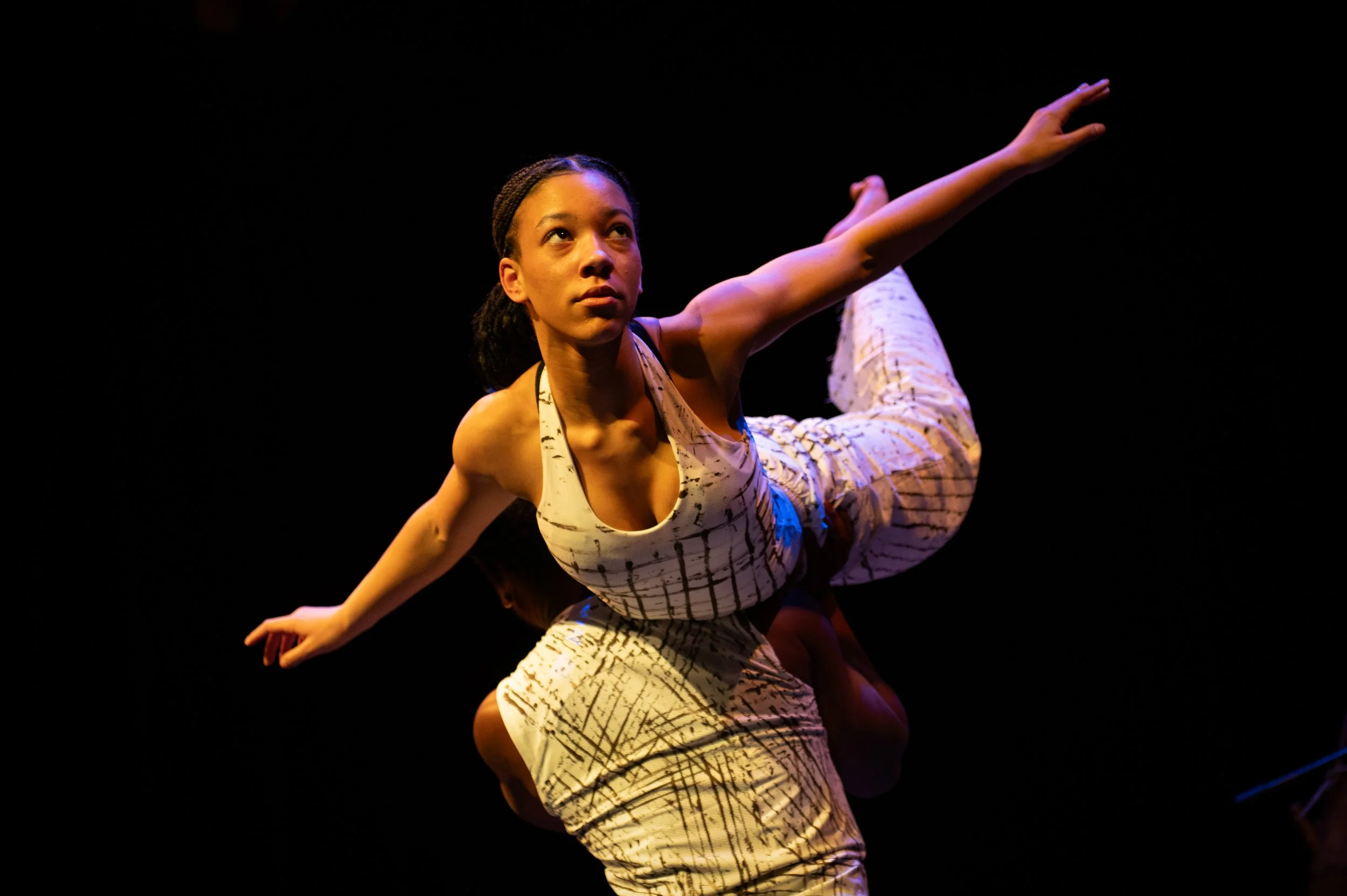
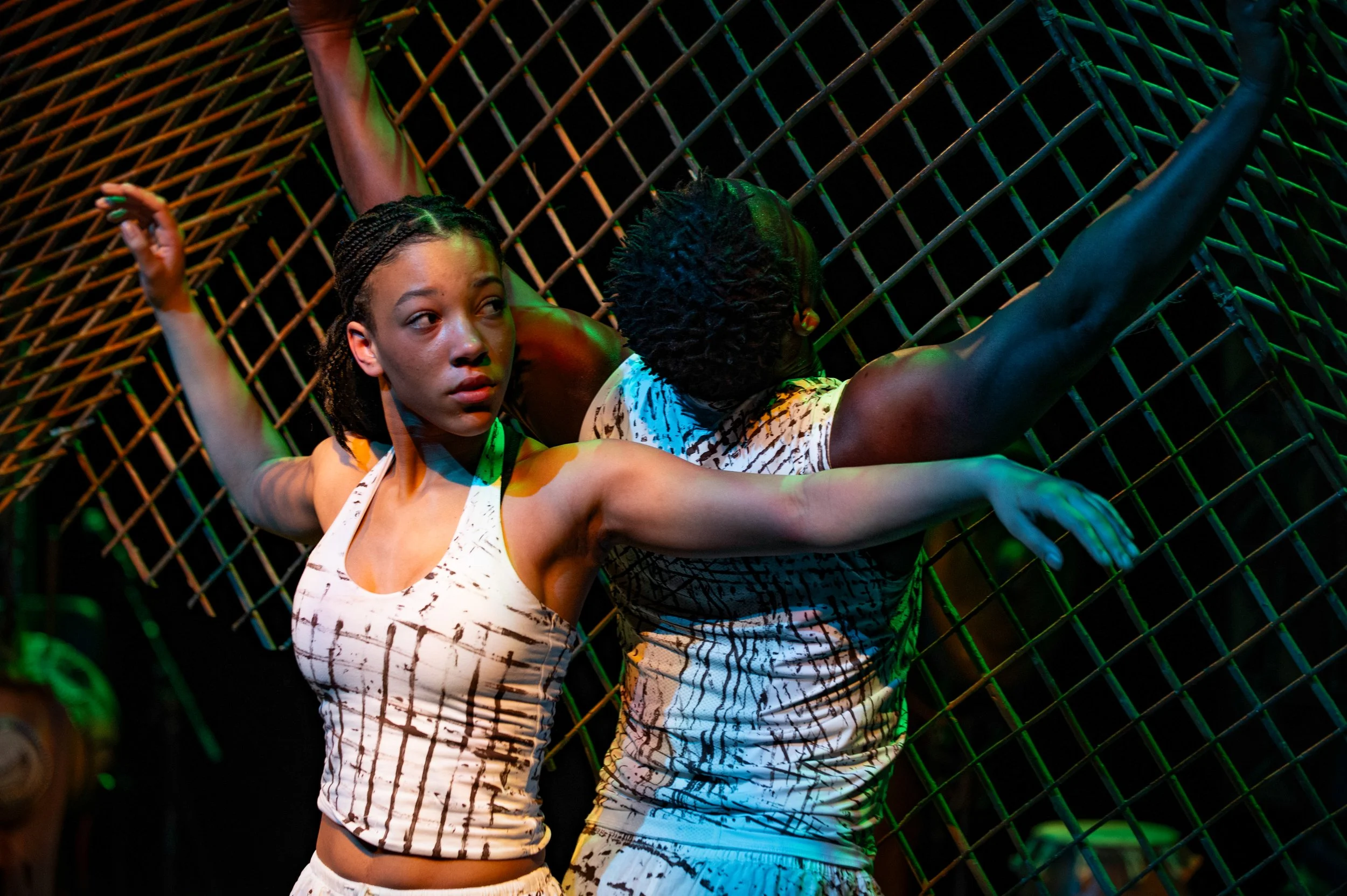
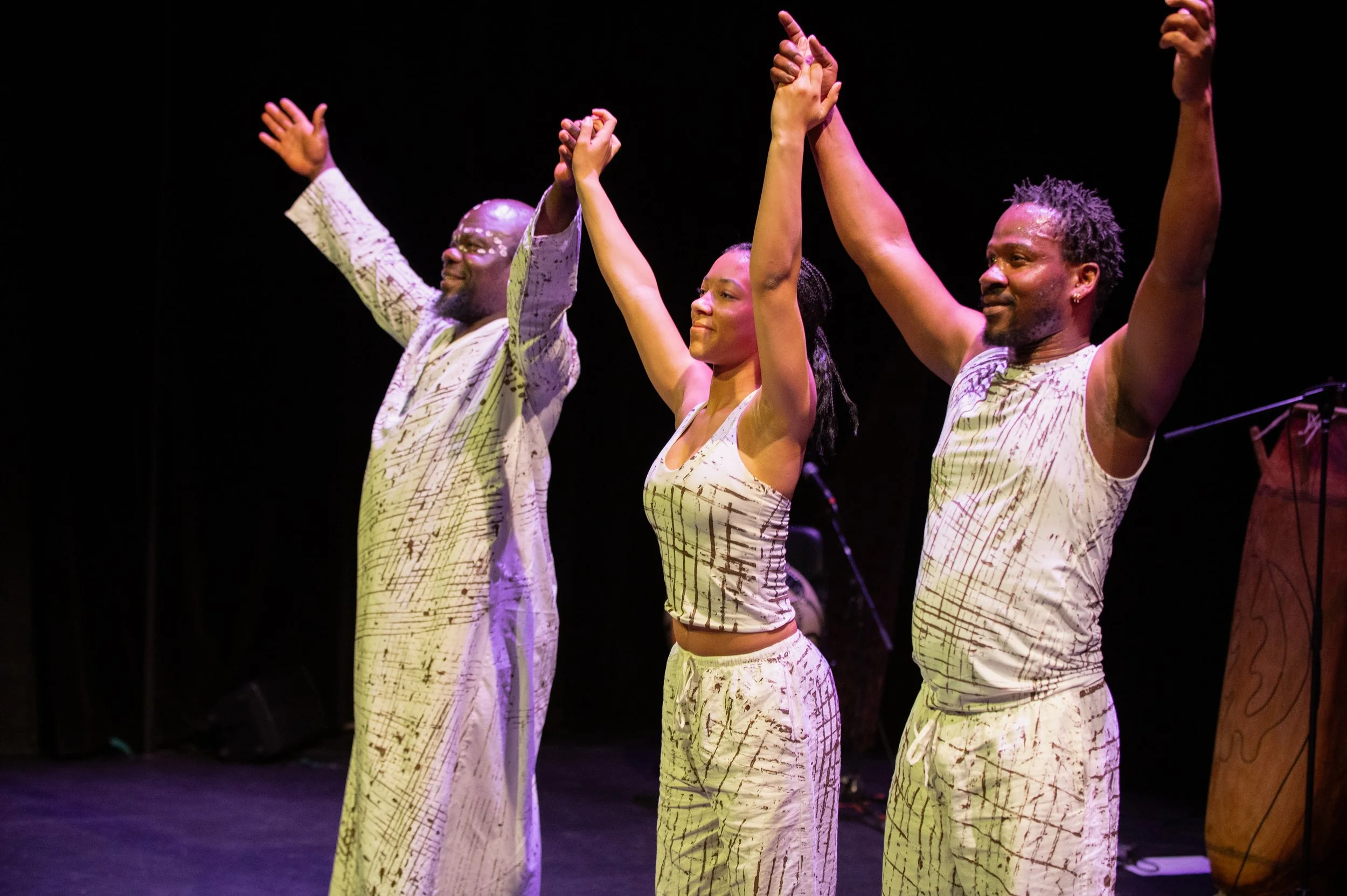
One of Asanti's recent works is a 45-minute music and dance piece titled ‘BESA’. BESA “literally means belonging” and features a particularly meaningful collaboration, Annan choreographing his daughter, Mina. It is a fusion of styles, Mina who is a formally trained ballet dancer moving alongside her father’s strong and traditional West African movements.
The dynamic, he says, has worked smoothly, "Once we get in the space, we are very serious. I don't see her as my daughter, she doesn't see me as her father. We see ourselves as dancers." This contrast in artistic backgrounds, is precisely what makes their collaboration work. "Once we are in the space, we think differently, which is good. It wouldn’t work otherwise”.
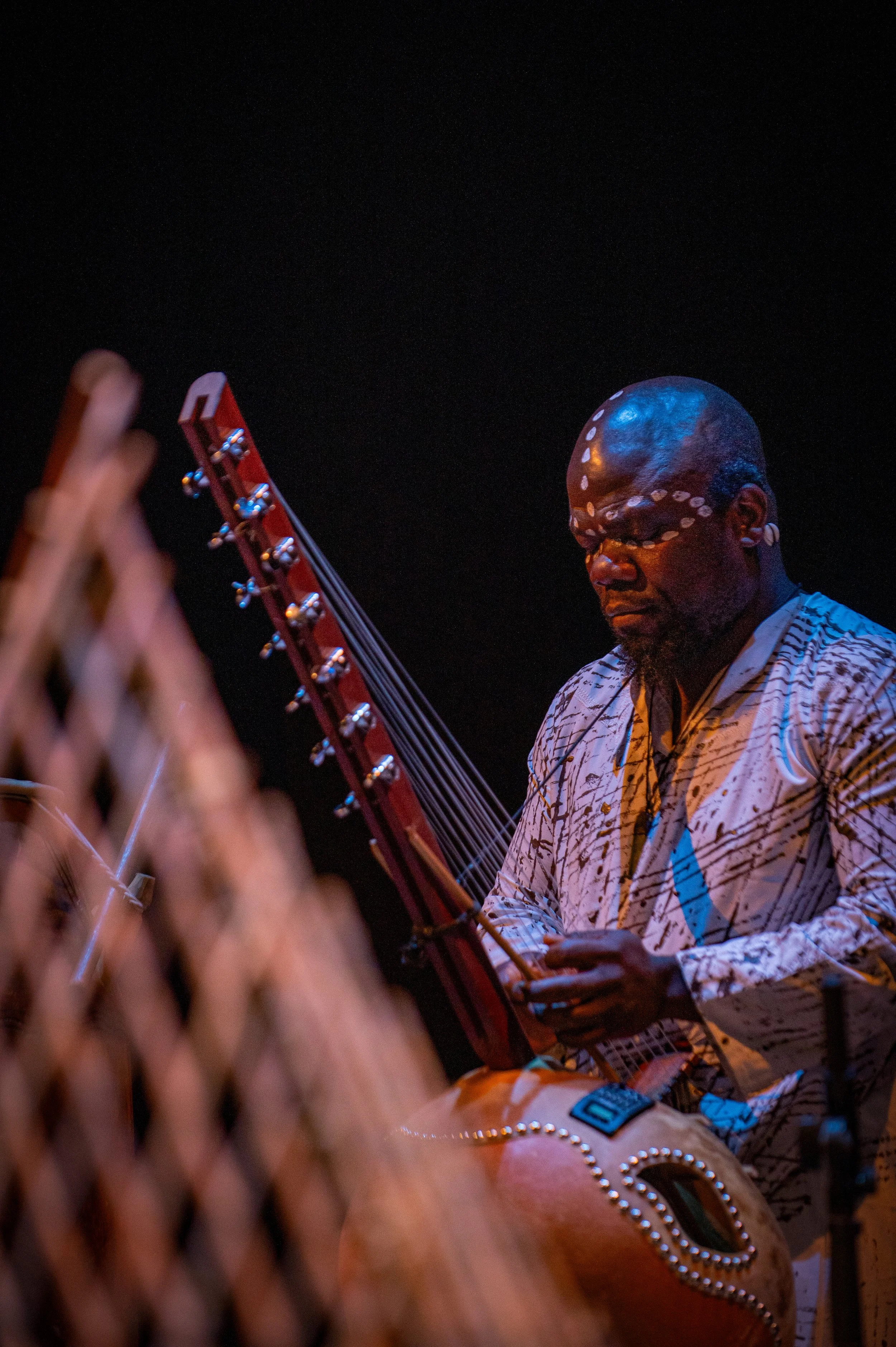
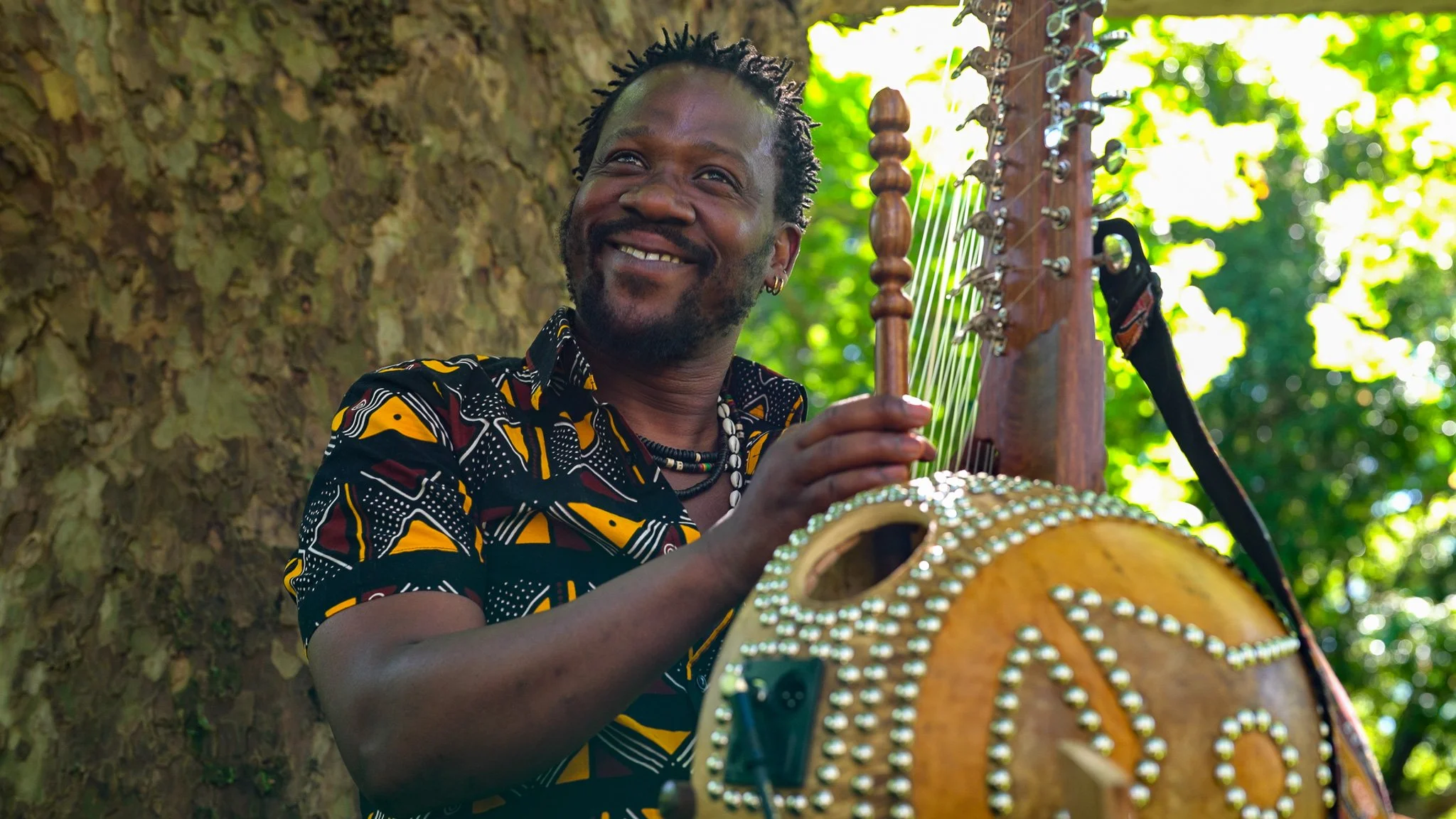
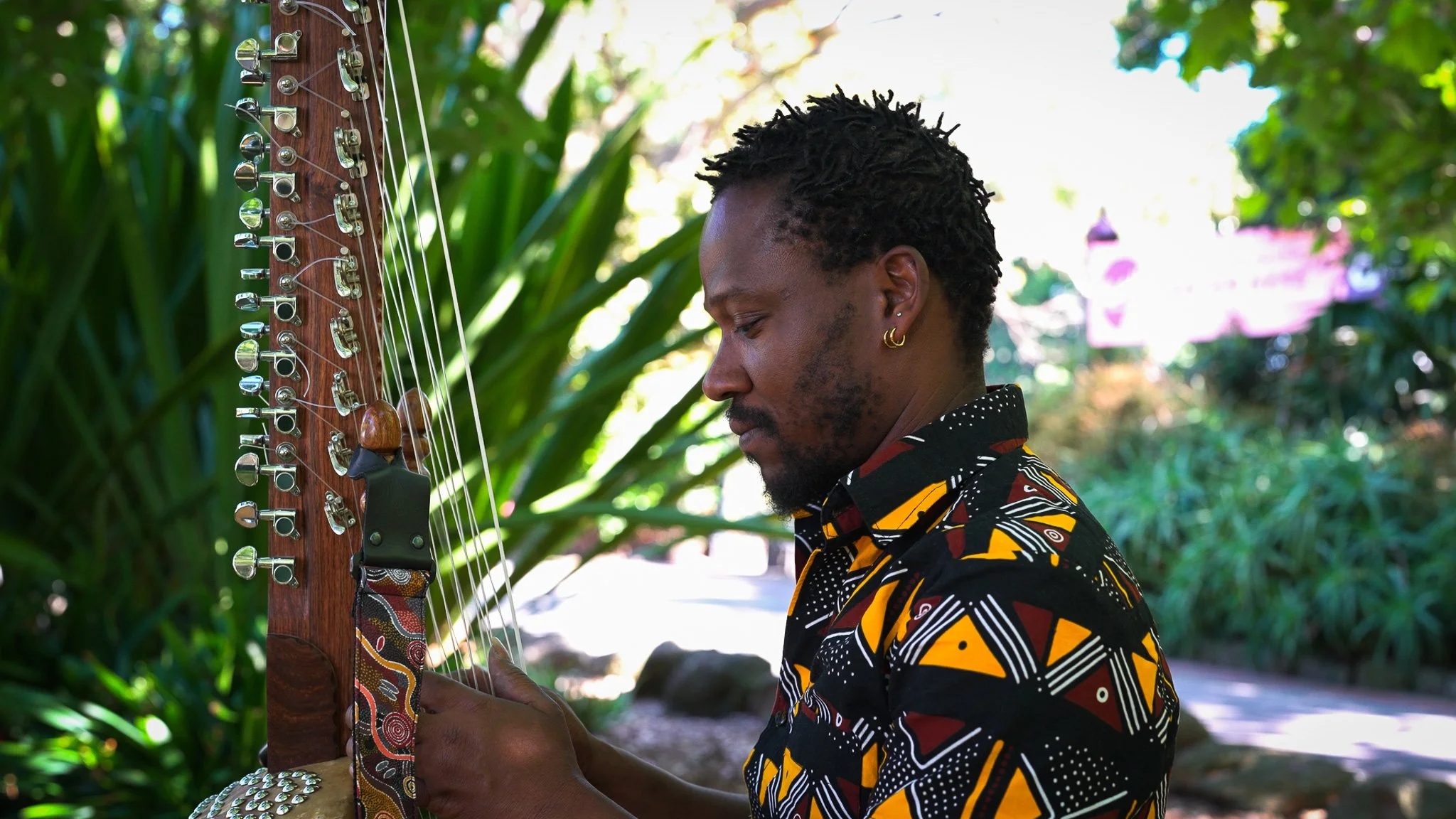
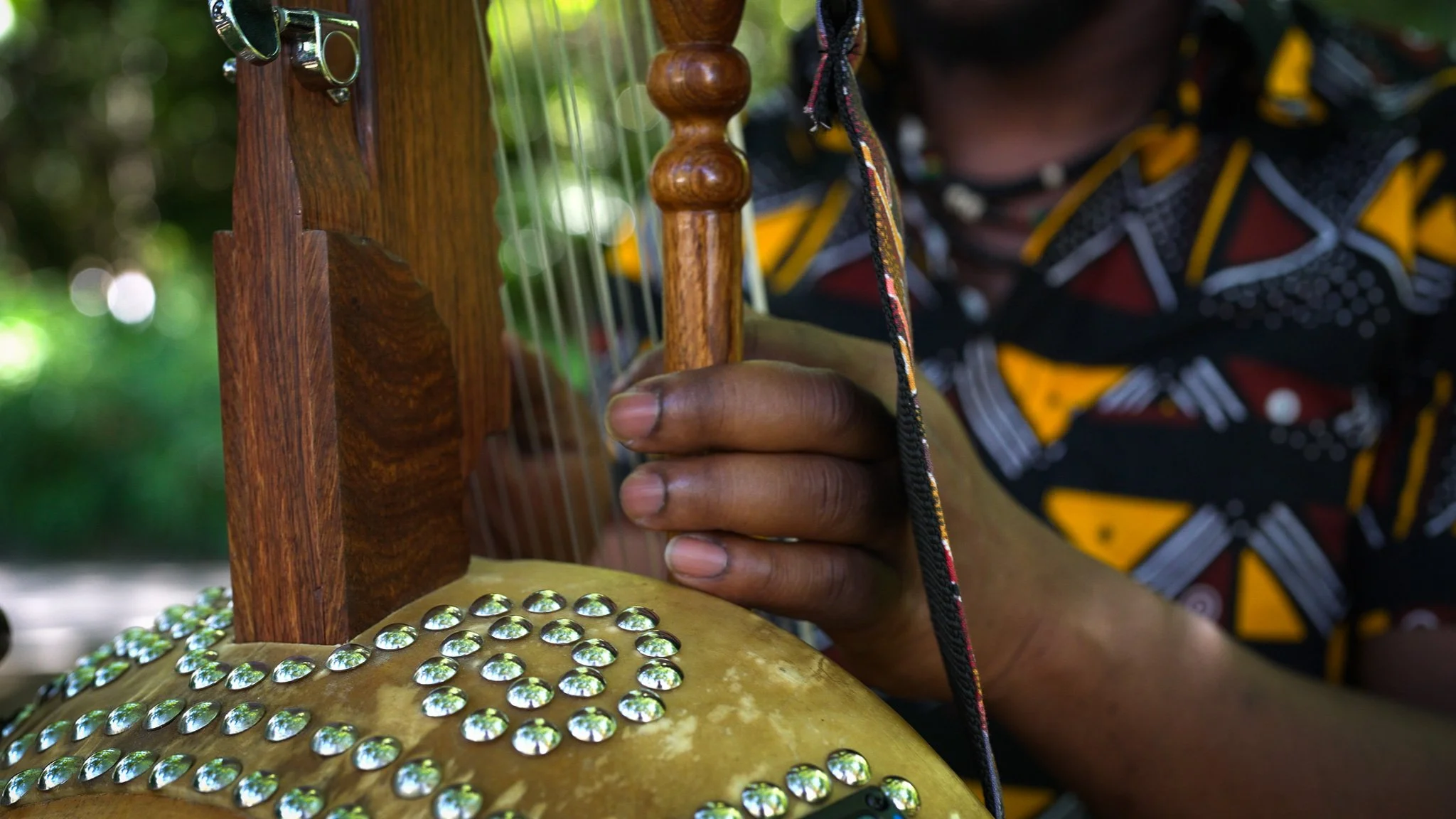
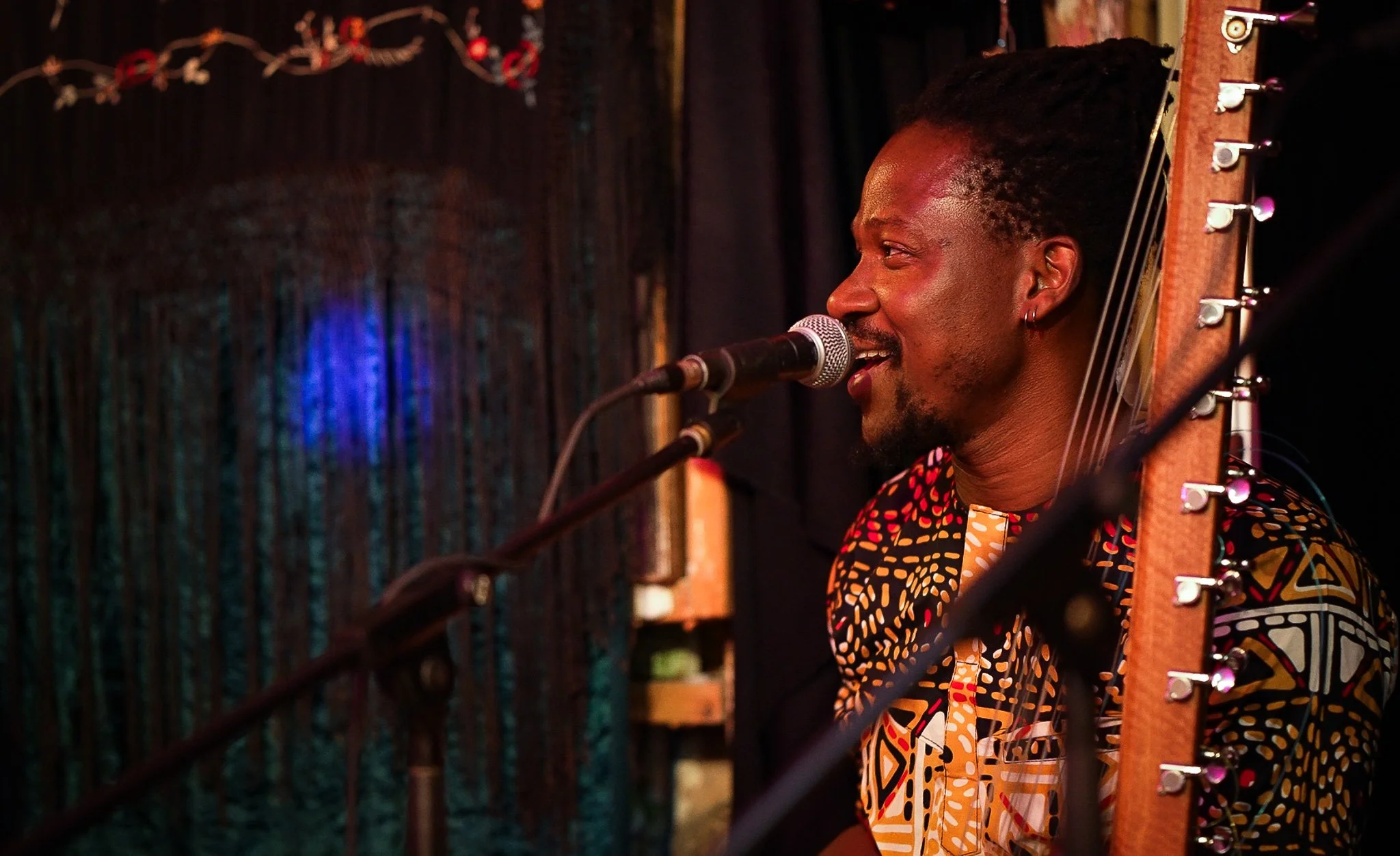
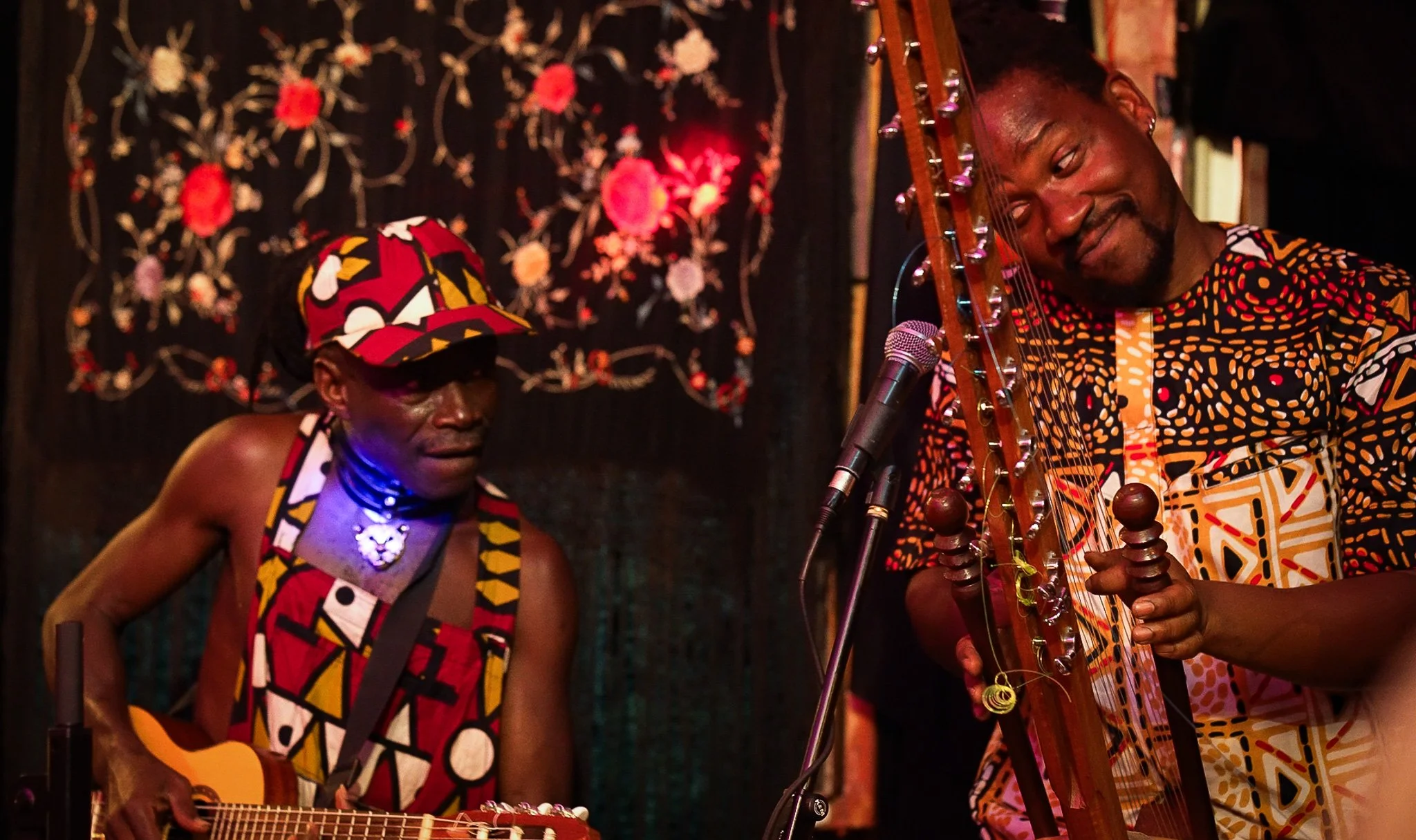
The project is part of Appiah’s broader belief of the importance of learning about one’s cultural roots. “You should know your culture and traditions and then you can change it”. This extends to his own quest of teaching himself the Kora and the drums. Instruments he began learning in Australia as a way of creating more opportunities and connecting deeper with his culture. He is currently working on an album that brings together his musical influences and learnings thus far. The project reflects his philosophy that art should serve a higher purpose, creating music that addresses meaningful themes rather than superficial content. One track confronts the monolithic Western perception of Africa, challenging the notion that the continent speaks with a single voice or language, instead celebrating its rich linguistic and cultural diversity.
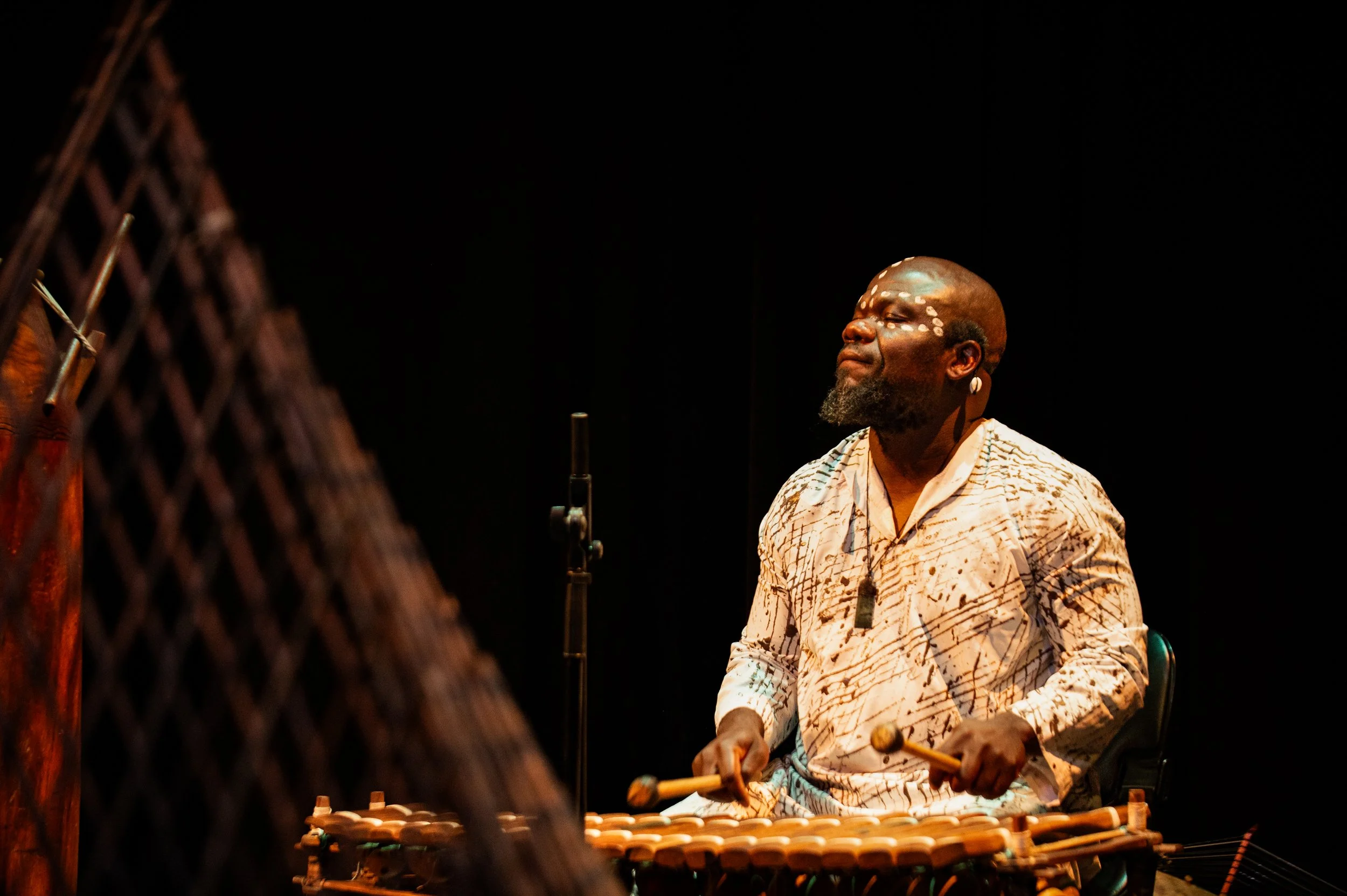
In BESA he brings together these artistic disciplines as both dancer and Kora player alongside his daughter and Ghanian Master drummer Kofi Kunkpe. The show was an impactful one night only performance with the aim of creating a larger piece in the future.
The Global Stage Ahead
From his humble beginnings to major festival stages, Appiah Annan's journey illustrates the transformative power of dedication to one's craft. More importantly, it demonstrates how cultural exchange, when approached with authenticity, rigor, and respect, can enrich both the traditions being shared and the communities receiving them.
After decades of establishing himself in Australia, Annan is now preparing for his next chapter: returning to Ghana to establish a permanent presence there while maintaining his Australian connections. "The future is great," he says with conviction. "And I've always talked about future, future, future, and now I want to live the future. I don't want to wait too long anymore because the time is now."
His vision is clear and ambitious. He wants to create a company in Ghana that can tour globally, featuring young dancers between 17 and 25, selected through open auditions. The productions will be what he calls "unique, creative, massive" incorporating props, objects, and the deep cultural knowledge he's spent decades accumulating. Importantly, he wants to correct past mistakes and build something sustainable. "I want to go there and make it feel better, do the vision so that even when I'm not there, it can be carried on”.
To keep up with Appiah Annan's journey and upcoming performances, visit the Asanti Dance Theatre website or follow along on Instagram @asantidancetheatre.