
Tapping Into the Source: Inside the Musical World of Ebs Daramola
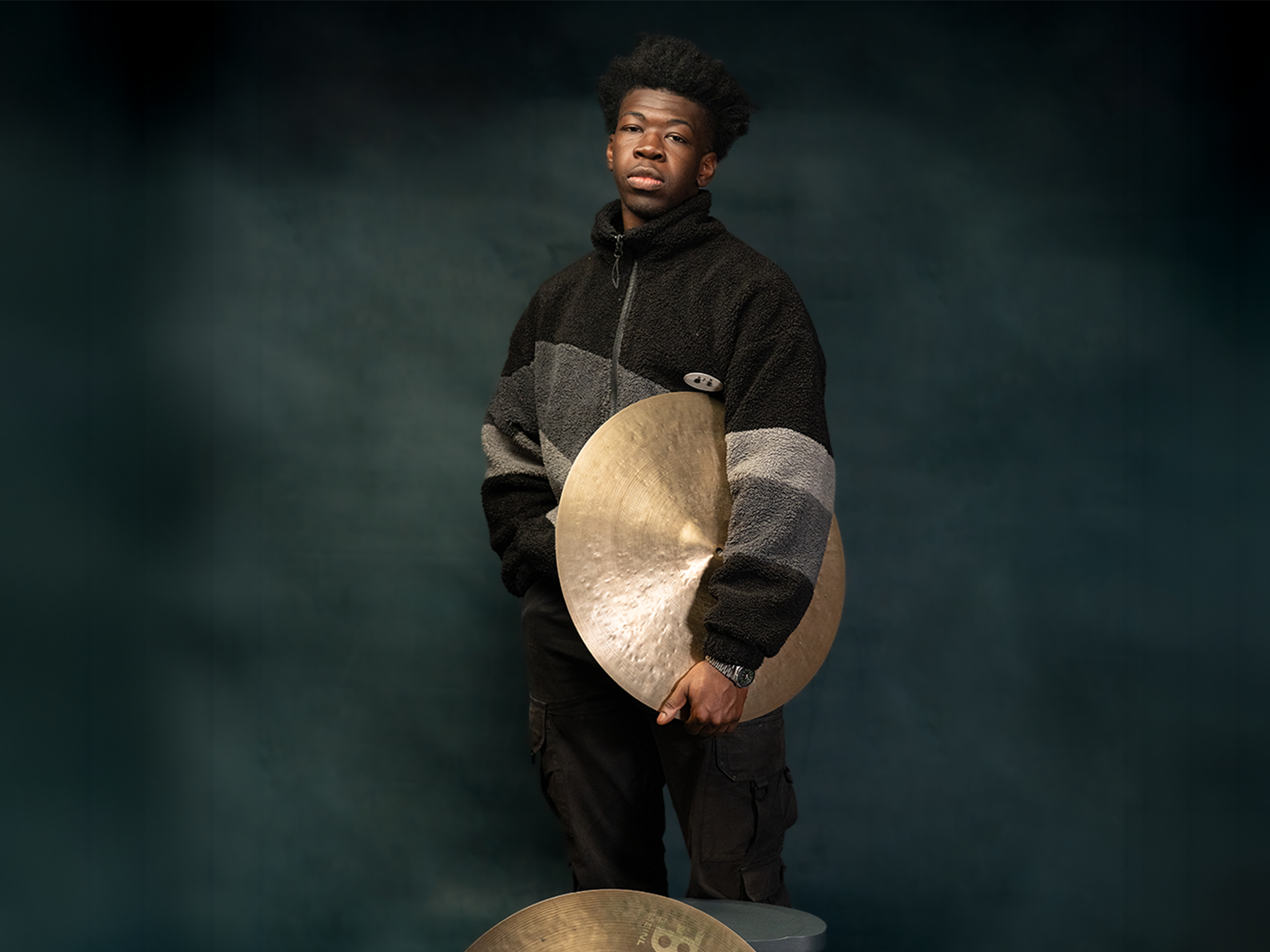
Ebs Daramola, Photo by Orit Novak
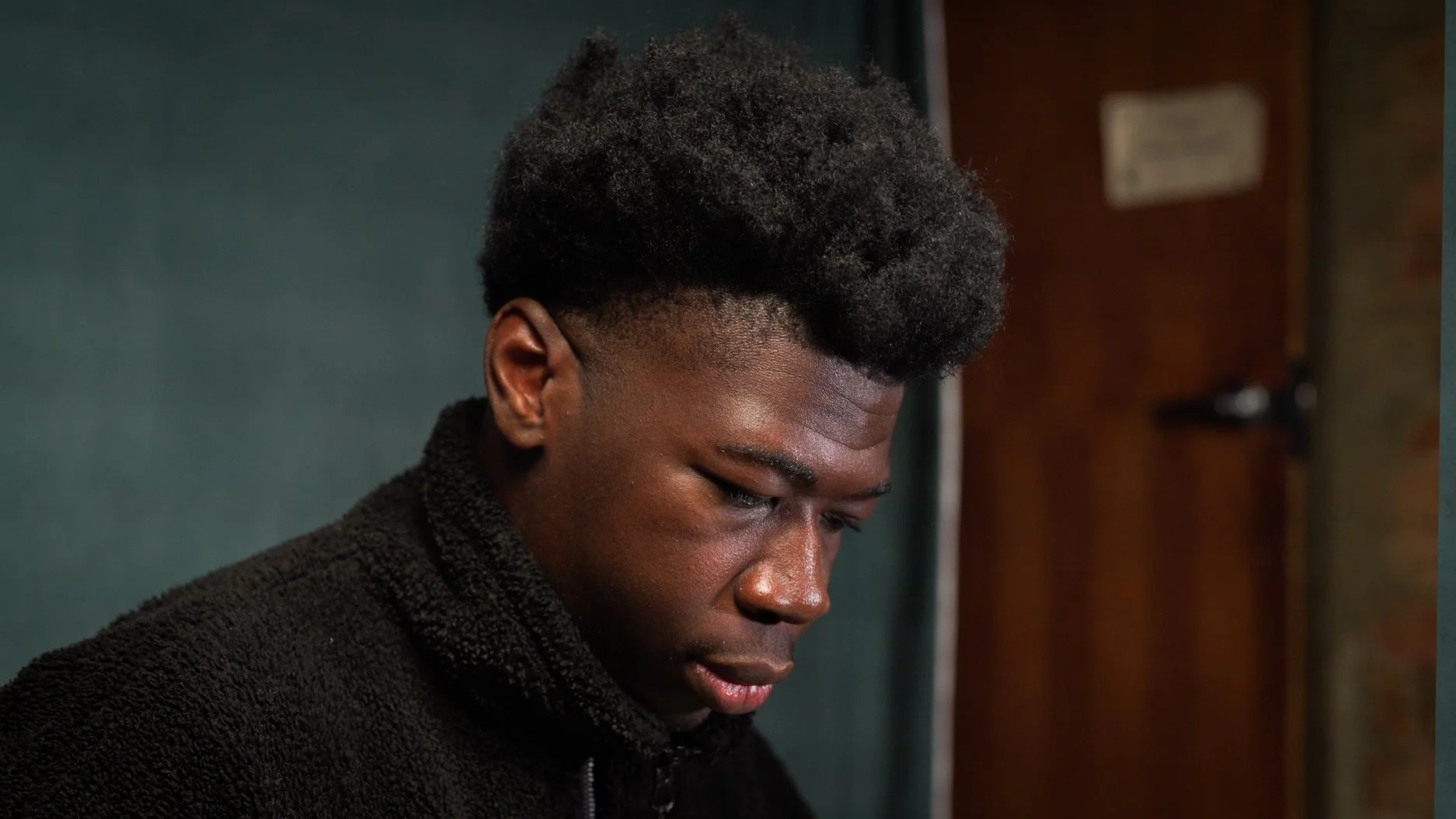
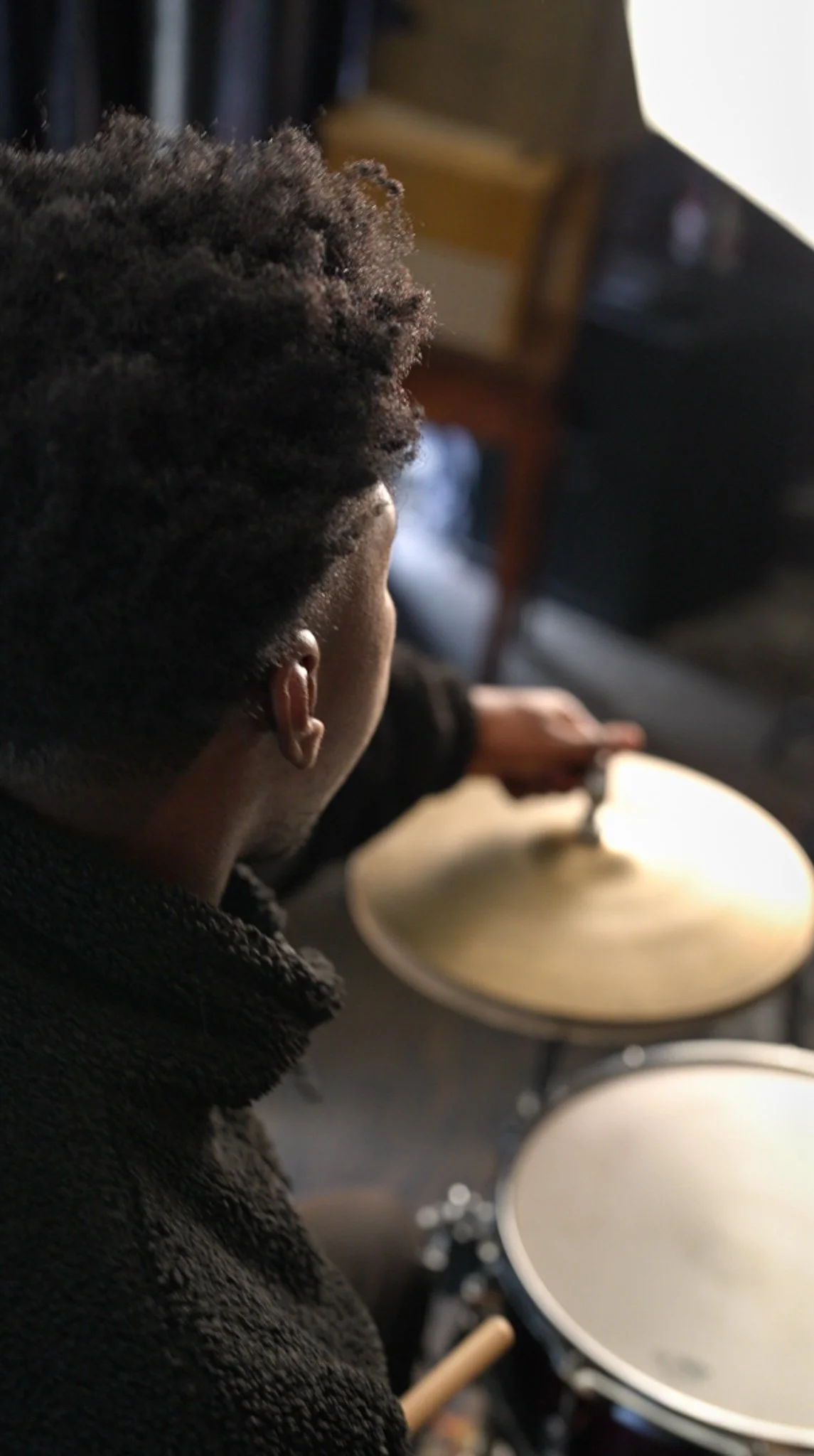
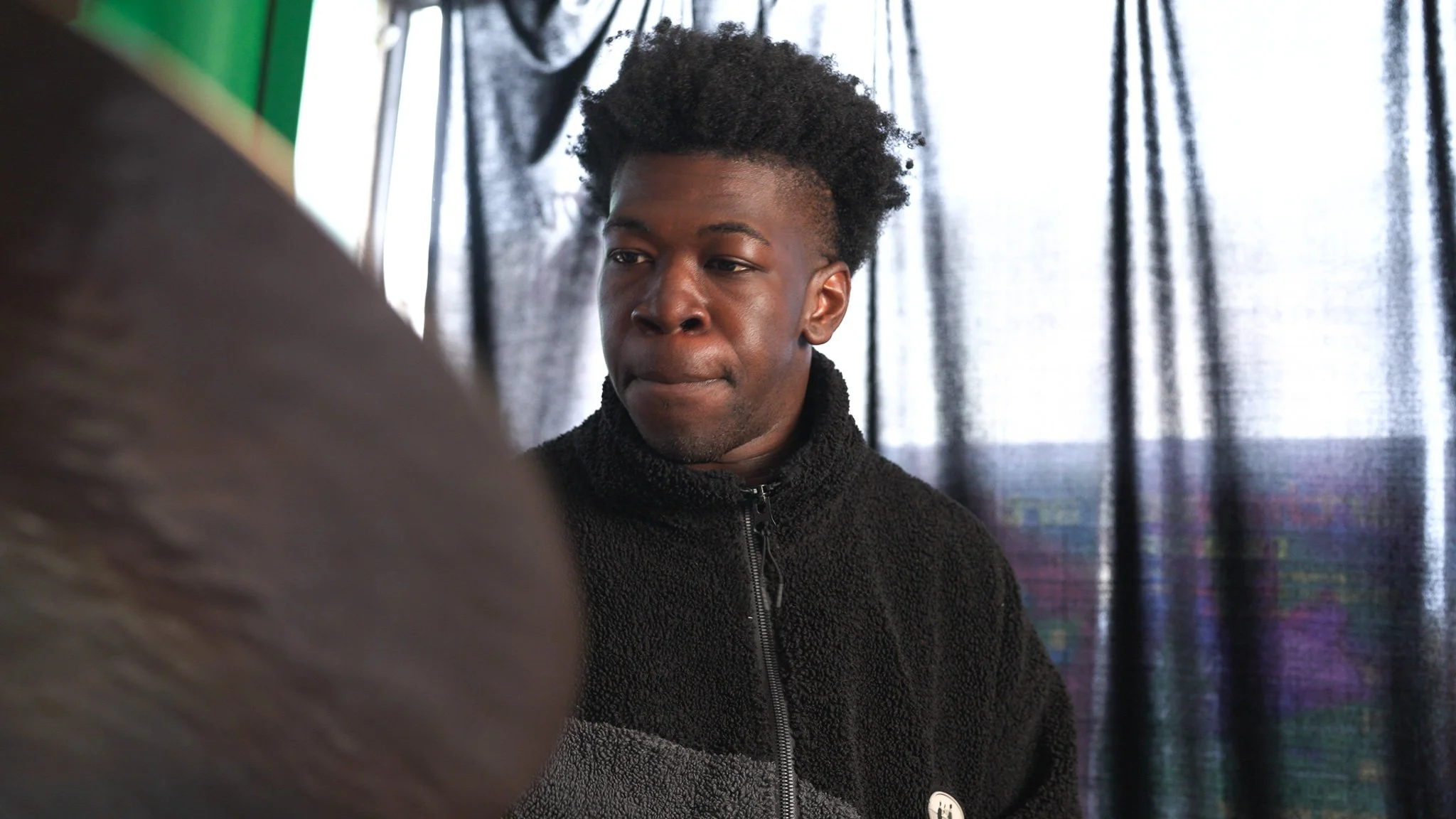
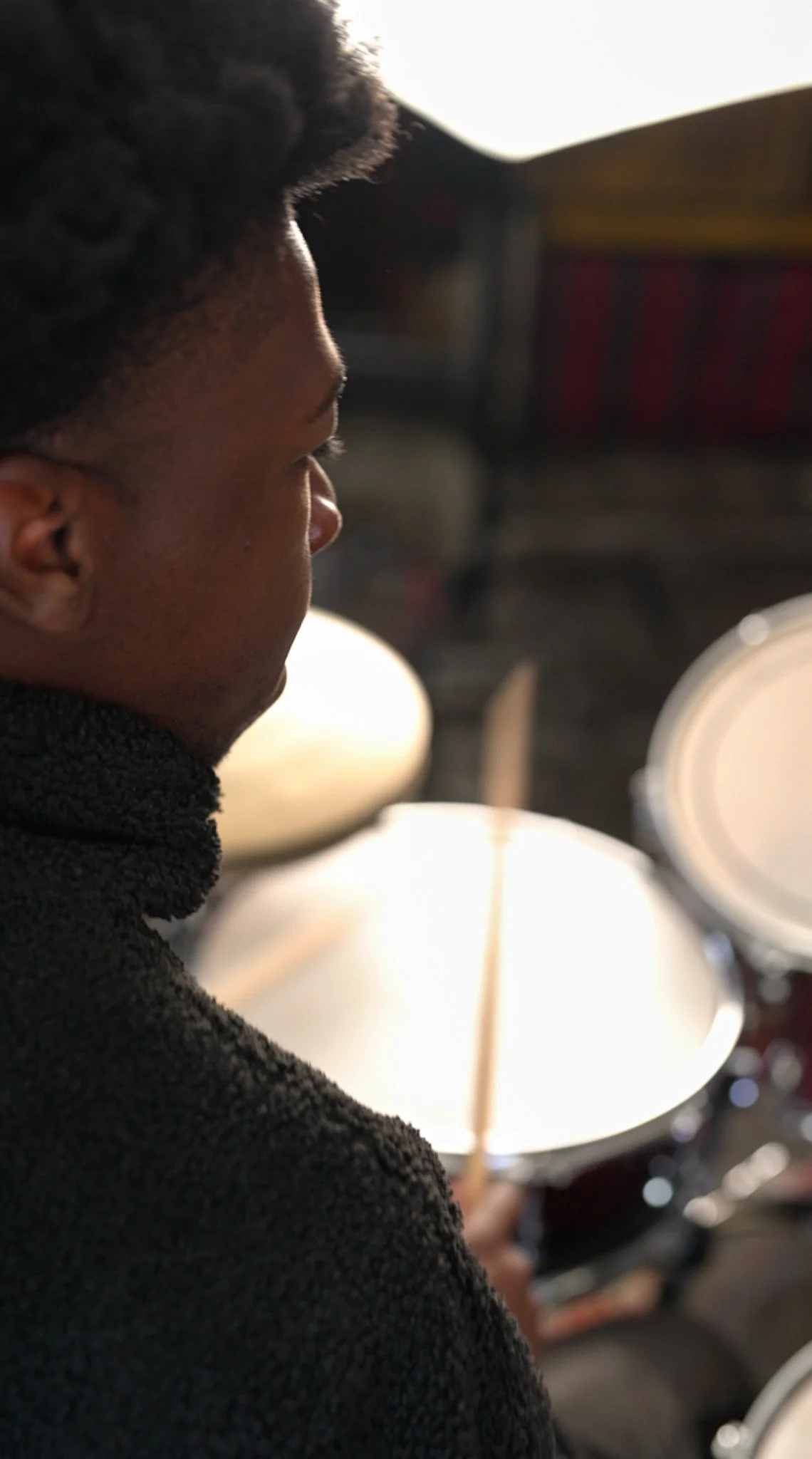
Ebs Daramola was around one year old when he first had a hand at playing the drums. Born in the Netherlands and raised in Nigeria, he grew up in a household where music was a consistent part of daily life. His mother sang in the choir, his father played guitar and piano — and by the time he could walk, he was already gravitating toward the church drums after Sunday service, trying to get his hands on the piano.
"I was hearing music all around me, even when I was in my mom's womb," he says. "So when I came out, it was kind of like rhythm and melody was the echo to my heart."
The drums, he recalls, spoke the loudest. So that's where he went.
From Nigeria to Australia as a young adult, then to Los Angeles, and now Melbourne — Daramola's life has moved a lot, and so has his music. Each place has left something in him: gospel roots, a rock edge, a deep grounding in jazz tradition. Today he's one of the most compelling voices on Melbourne's jazz scene, a drummer, composer, and quintet bandleader whose live shows draw on all of it at once.
Forget the Genre
Growing up, Ebs didn't think much about genres. Music was simply everywhere, and he absorbed it all without judgment. In Nigeria, he heard music from African American, Nigerian, and South African traditions. Hip-hop, R&B, funk, pop and jazz — the music of Art Blakey and Count Basie — drifting in alongside everything else. "I didn't judge where it came from," he reflects. "Most of the music I grew up listening to, I didn't even know who the artists were. For me, looking back, I think that was good. I just learned to be really open and receptive to all kinds of musical ideas."
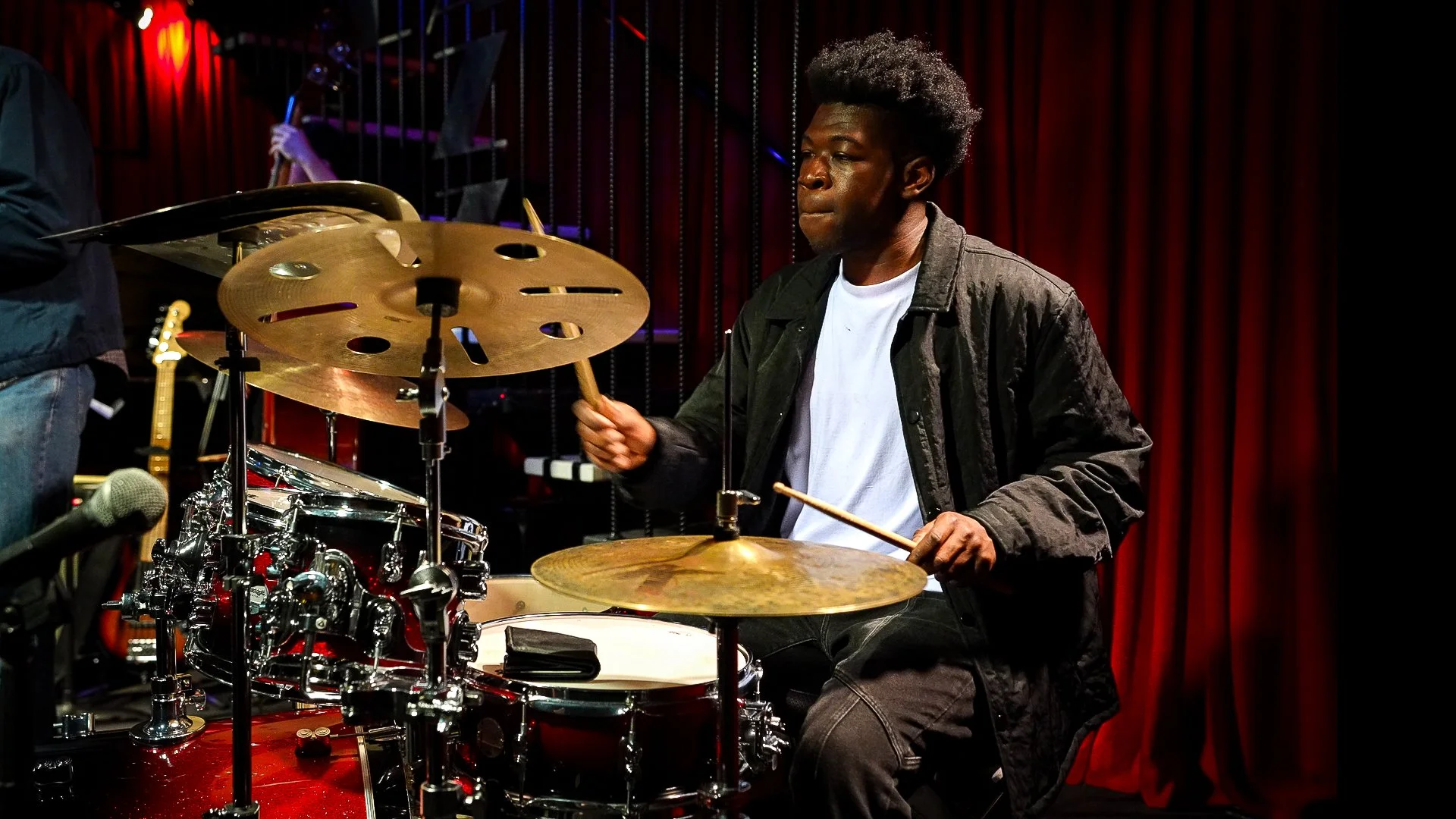
Ebs Daramola at Jazzlab. Photo by Orit Novak
The Pull of Jazz
By the time he was ten or eleven, jazz had become more than just one of many sounds. It was a tradition that cultivated freedom.
"You feel freedom with that music," Daramola explains. "More freedom of expression and identity. Just having a voice to speak what you want to say." That was what he wanted to emulate — in whatever context he was playing.
But jazz, he quickly understood, wasn't just a sound. It was a lineage. A tradition built by his ancestors, demanding that he understand where it had come from before he could truly grasp it. "I knew that in order to really tap into that expression, I really had to understand what happened back," he says. "I still feel like I'm still on that journey. Still trying to get a grasp and really embrace the identity of being a Black artist, and just truly be expressive of myself, and be honest with what I want to say."
Moving Through Music
Daramola is always in motion. The move to Australia as a young adult added yet another layer to his musical identity — this time, the sprawling energy of rock. "When you move around a lot, you just pick things up" he says. "Rock music was a big thing in Australia, and I definitely captured the feeling of that. It's now a part of myself. And I embrace that." Rather than diluting his voice, each country seems to add another layer of vocabulary to his musical expression. Nigeria gave him gospel roots and rhythmic instinct. Australia gave him a harder edge. And America, when he finally arrived, gave him a place to put it all together.
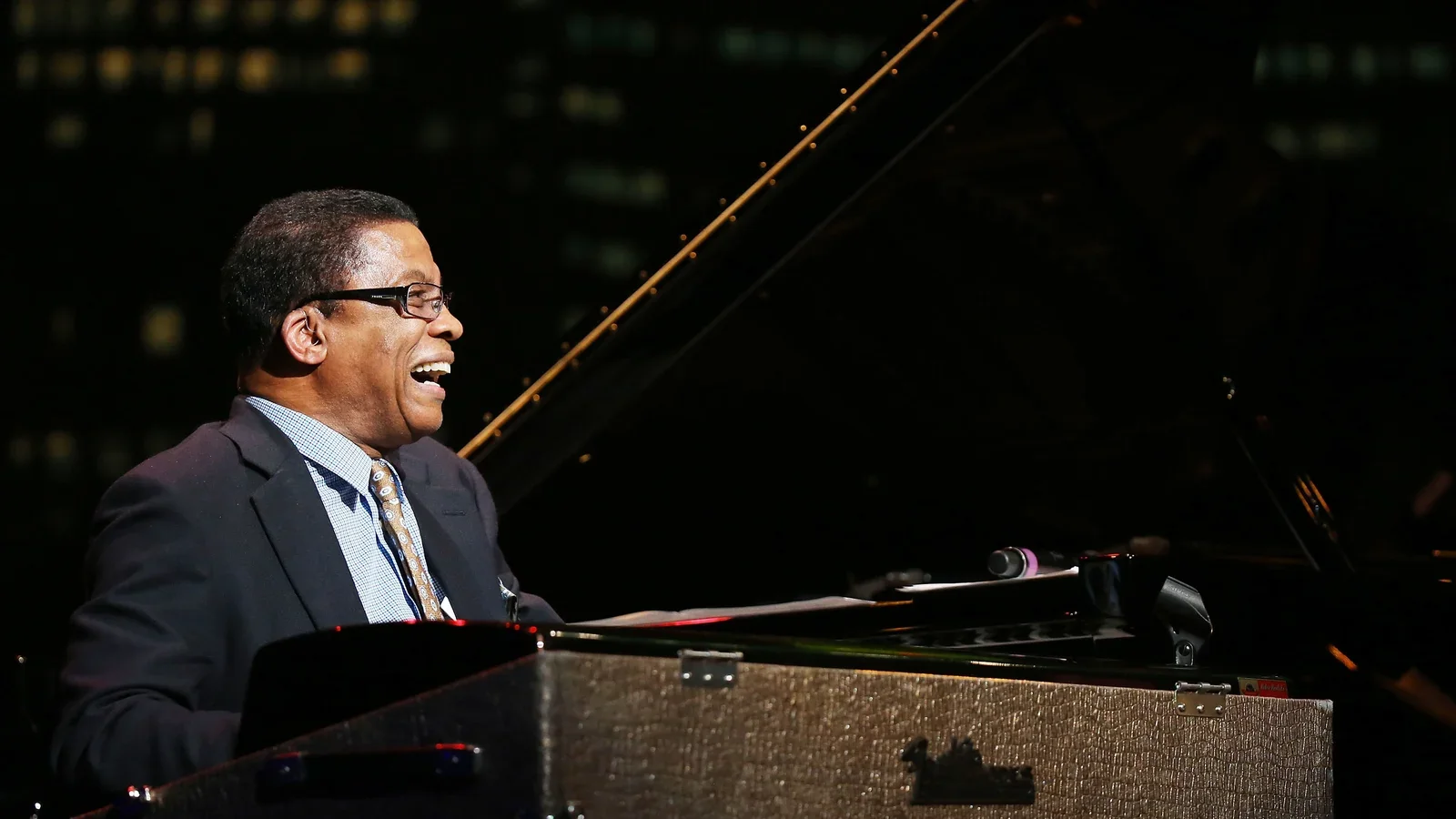
Herbie Hancock, performing at The Thelonious Monk Institute of Jazz now the Herbie Hancock Institute of Jazz.
Photo by: Michael Tran/FilmMagic
"I was just elevating, elevating, elevating."
Los Angeles: Arriving at the Source
When Daramola enrolled at the Herbie Hancock Institute in Los Angeles, it represented more than just a desire to deepen his musical knowledge. It was a chance to go back to where it all began and connect with some of the legends who for a long time shaped his approach to playing music.
"I just wanted to tap into more of the source of Black music, Black expression," he says. "It was amazing to see that people who look like me were making music to such a high standard of musicianship. I wanted to be part of that experience."
And then came the moment he had dreamed of since childhood, playing alongside Herbie Hancock himself. The first time was in Morocco.
"Every time I got to play with him, I felt like I was a kid again playing music," Daramola recalls. "And that's how he views music — like a kid that has infinite possibilities of how he can see the music and the world. You just want to be part of the ride." When Hancock began to solo, Daramola felt himself rise. "I was just elevating, elevating, elevating."
He had spent years listening to records of Hancock playing with Miles Davis. Now he was in the same room, playing music, having conversations, receiving advice. "I got the best," he says simply. "Truly grateful for that."
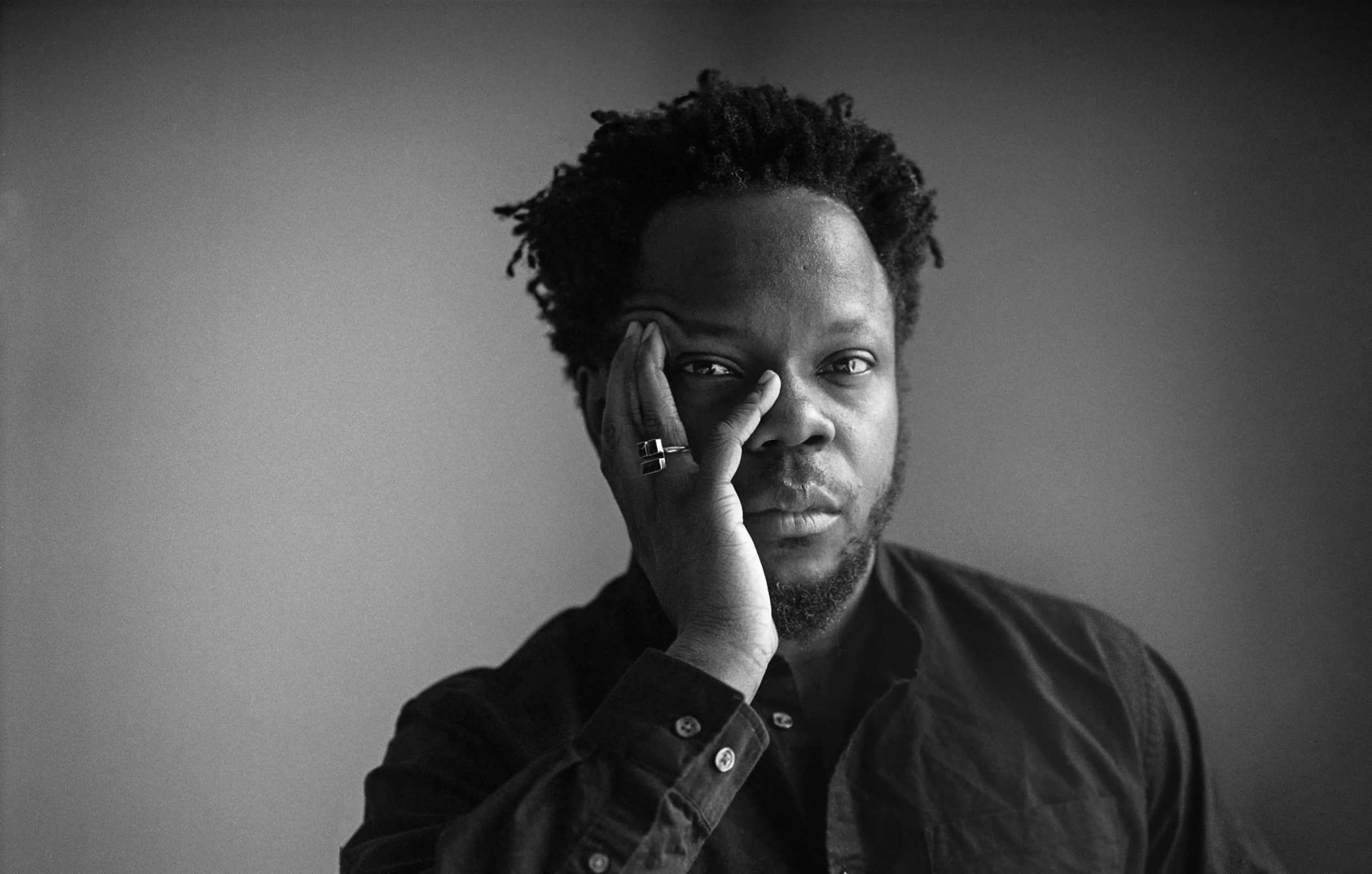
Ambrose Akinmusire, photo by Michael Wilson
The Lesson of Ambrose Akinmusire
If Hancock showed Daramola what music could feel like at its highest, trumpeter Ambrose Akinmusire showed him what it demanded of a person.
"Life-changing," Daramola says of working closely with Akinmusire. "As a drummer, as a composer, as an artist, as a musician — and as a human being." Playing and spending time with Akinmusire made him realise how much work still lay ahead. But more than that, it changed the way he understood what that work was.
"He taught me to be more honest with what I had to say in my music, and with how to express myself." There was also the question of grace, of holding steady when the world around you gets hard, whether that's systemic, personal, or somewhere in between. And then something deeper still: surrender.
"He told me about really surrendering — not just surrendering to the music, but surrendering to something higher than myself. And that takes a lot of courage and humility." It's a practice Daramola returns to every day. Being present. Being intentional with how you move through the world, how you relate to people, how you approach the music. "The human experience affects the music," he says. "Music is a reflection of what is happening now, what happened in the past, and what's happening in the future."
Melbourne: Open Eyes, Open Ears
Daramola has made Melbourne his home. What he values most about it isn't a venue or scene, it's an attitude.
"People just see music with really open eyes, almost like a child," he says. "And I really like that. I want to keep seeing it that way too — pure joy and innocence, not judging it too much." The city's diversity feeds him. The willingness to collaborate energises him. "Melbourne is filled with lots of different people, backgrounds, cultures. So that's really inspiring."
He's already begun to imagine what the next chapter looks like — not just as a musician, but as a multimedia artist. "I'm thinking about not just music now. I'm thinking about art, paintings, dancers." The people he's encountered in Melbourne have opened those possibilities. "It'll be cool to just connect all of that together. And people are willing to do it… I'm just excited about the prospect."
“I'm not creating the music. The music is already there. I just have to tap into it."
The Practice and the Passion
Ask Daramola how he maintains the discipline required for a life in jazz and he almost seems puzzled by the question. Discipline, for him, is just an expression of gratitude.
"Music is basically my life," he says. "When I get to practice, I take a little love, a little grace, and I'm grateful that I get to do this every day." That gratitude shapes everything — how he approaches the simplest exercise and the most complex piece. "I want to make sure I'm practicing with a lot of intention, and with a lot of effort. But also being patient with myself. I still feel like I have a lot to learn, and that's what makes it exciting."
His writing process carries the same quality of openness. He writes mostly on piano, "piano for me is like a drum in itself" working from intuition as much as technique. "I like to think that I'm also writing from my subconscious, from things I've experienced. I'm not creating the music. The music is already there. I just have to tap into it."
The compositions often carry the weight of specific moments and places; a particular person he met, a culture he encountered, a feeling that hasn't quite left him. "A lot of times when I'm writing music, it's based on a little particular moment, or with people that I've interacted with or experienced something with." When he revisits those songs in performance, they become something like time capsules — opening doors to memories and emotions he didn't know were still there.
"I want people to feel something tangible that might feel intangible”
Audience Experience
Daramola is thoughtful about what happens in the space between him and an audience. He wants people to feel something — but not just the comfortable things.
"I want people to feel something tangible that might feel intangible," he says. "I want people to feel uplifted, to feel joy — but also to be able to process those hard thoughts, hard feelings that sometimes people might put away." He wants his music to be a safe place for that processing. To make space for questions, "I also want my music to make people question what they really truly believe in."
At the root of it, he's reaching for something greater than all of us, and that great music, at its best, can point toward it. "For me, I'm trying to tap into the source… Just acknowledging that something is greater than ourselves."
What Comes Next
Daramola has an album in the works, he's also writing new music for his quintet, exploring different orchestrations, and working toward a multimedia practice that might one day include film.
He'd also love to play in Japan, return to the connections he formed in New York and LA and he’s got his eye on London, sensing a shift happening there that he’d love to explore.
But wherever the music takes him, the essential thing, the thing that hasn’t changed since he was a toddler reaching for the church drums is:
"I keep on playing," he says. "I keep on playing with people. I keep on writing music."
For Ebs Daramola, that has always been enough. And somehow, it keeps becoming more.
To keep up with Ebs Daramola’s music and live performances follow him on Instagram @ebsdaramola