
Balla Bangoura: Redefining Afro-Mandingue for a Global Stage
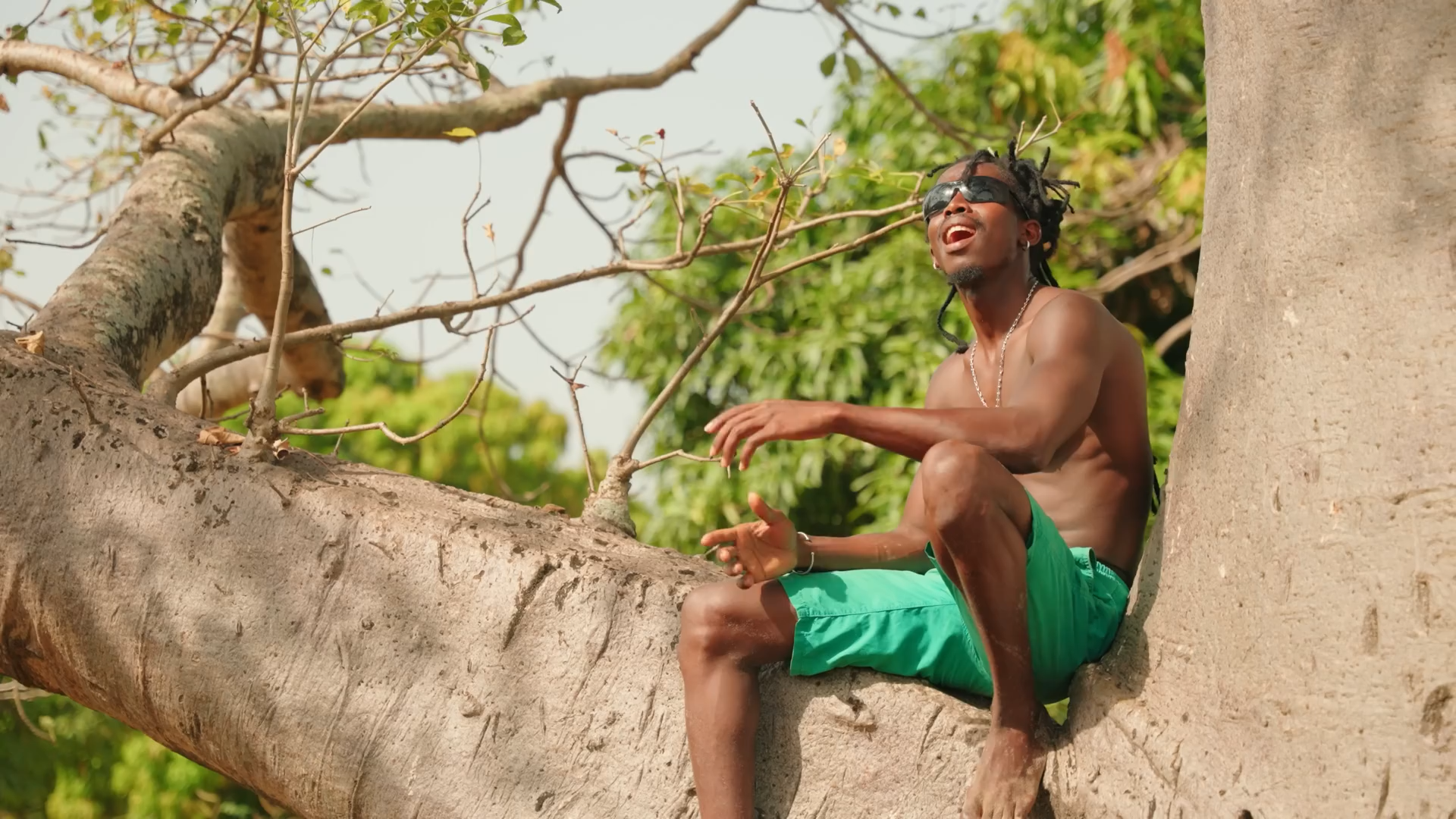
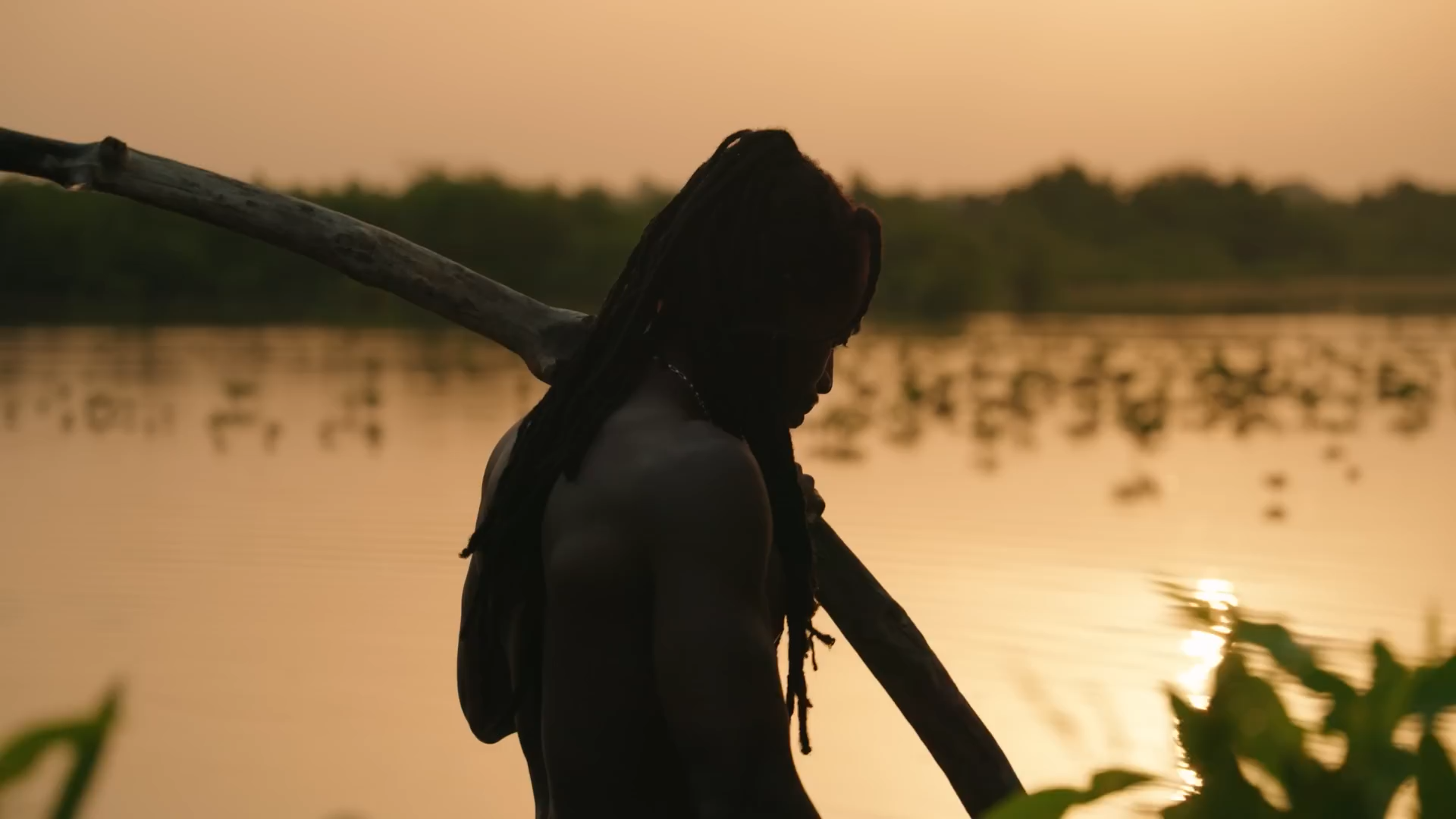

There’s a particular feeling that arises when you first hear Balla Bangoura play. A sensation both rooted and untethered. His music carries the wisdom of West African musical traditions whilst also blending modern influences to create a sound that resonates across borders.
Born in southern Senegal close to the Gambia, and Guinea-Bissau he was purposefully placed at the intersection of diverging music cultures and traditions. Since childhood, he has felt a deep pull towards his Mandinka heritage. “When I was a child, I felt more connected to traditional Mandinka music.” Playing music was less of a choice and more of a natural extension of the world he grew up in. “Music has never been a hobby; it has always been part of who I am… everyone in my family plays music. It was our school.”
Now based in France, Balla’s sound is a culmination of his travels and life experiences. Balla describes his sound as Afro-Mandingue, a style that merges traditional West African music with popular genres such as reggae, hip hop and afrobeats. “It’s a style that is both sensitive and energetic.”
A GIFT THAT BECAME A CALLING
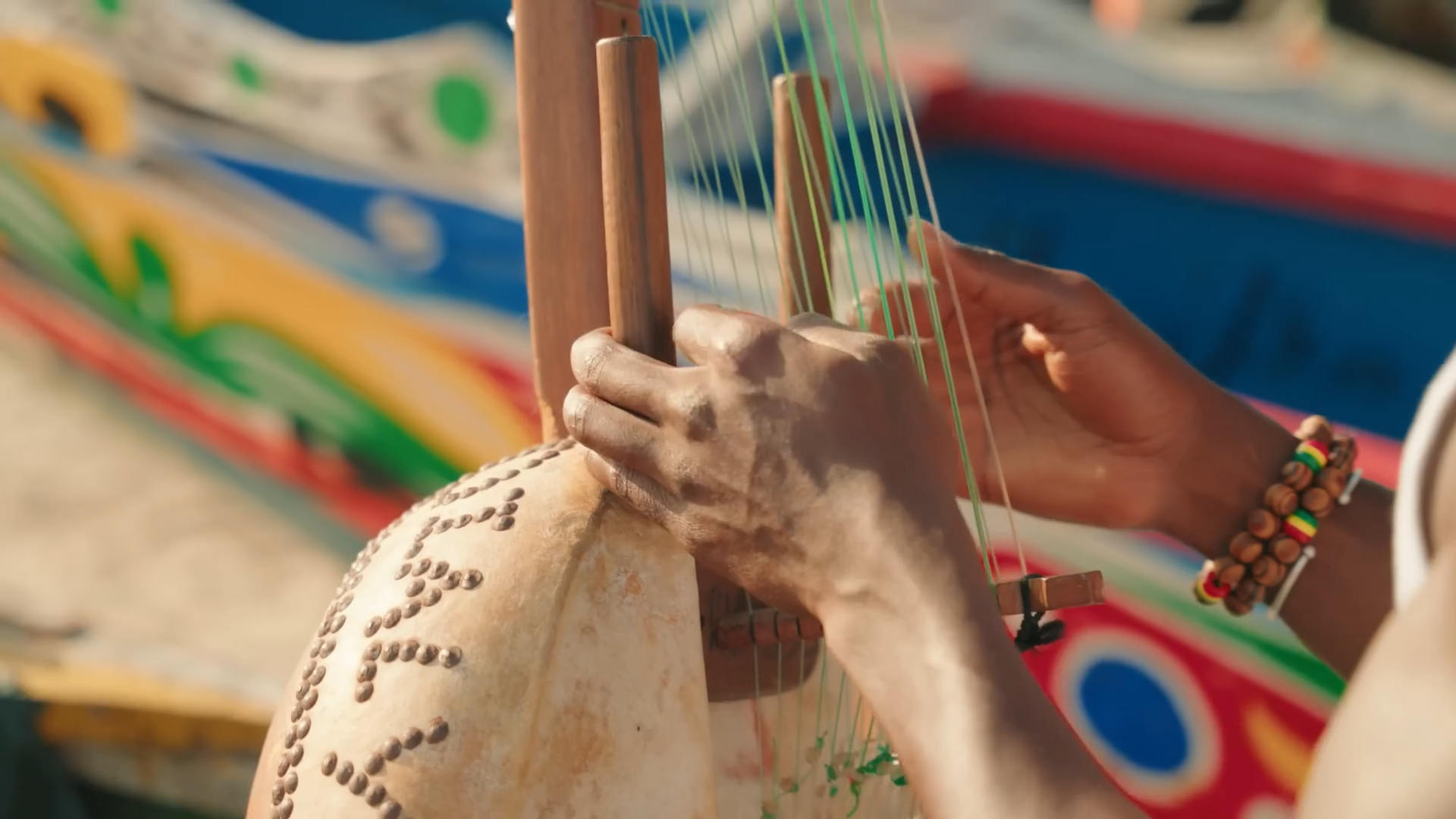
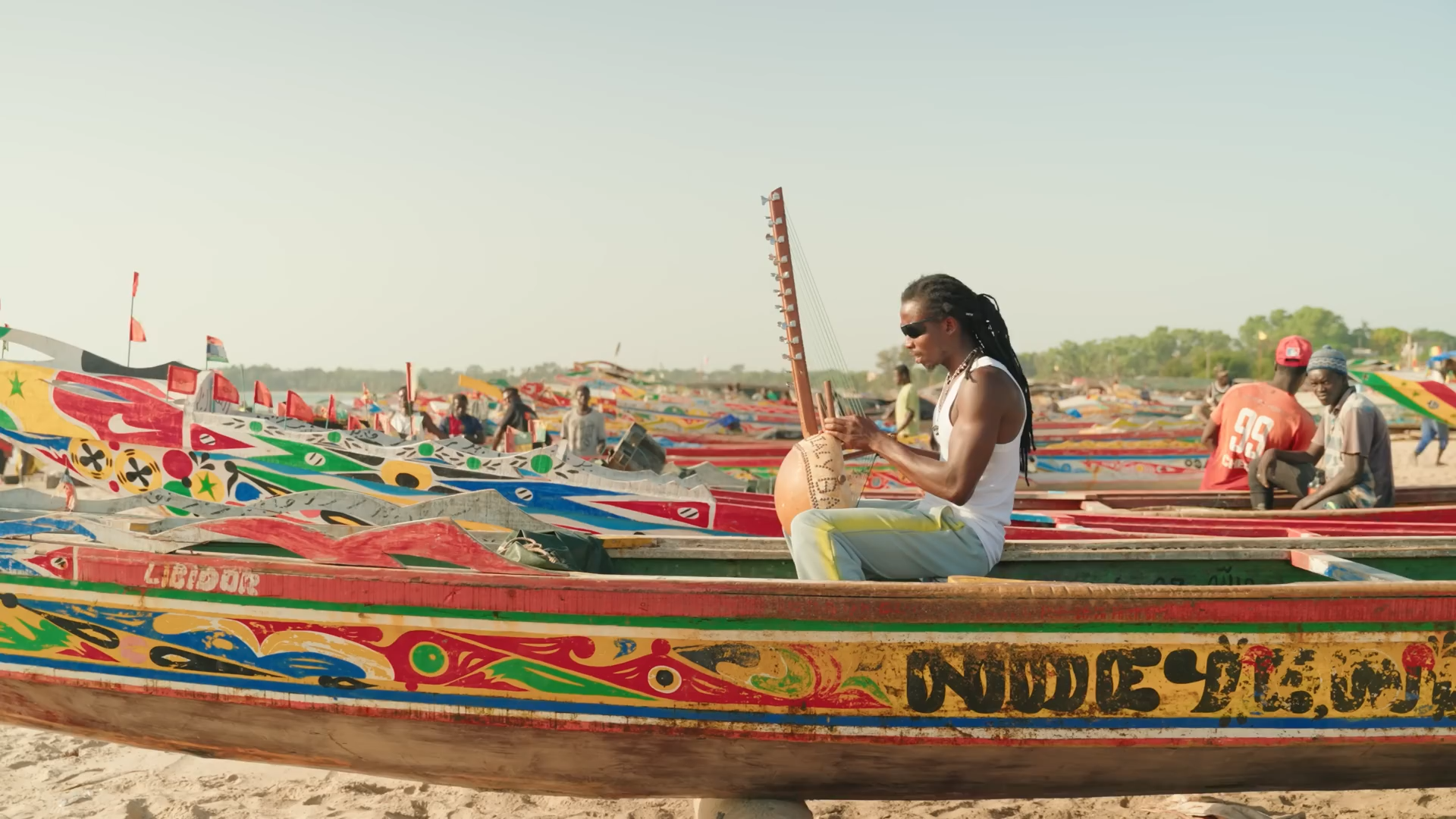
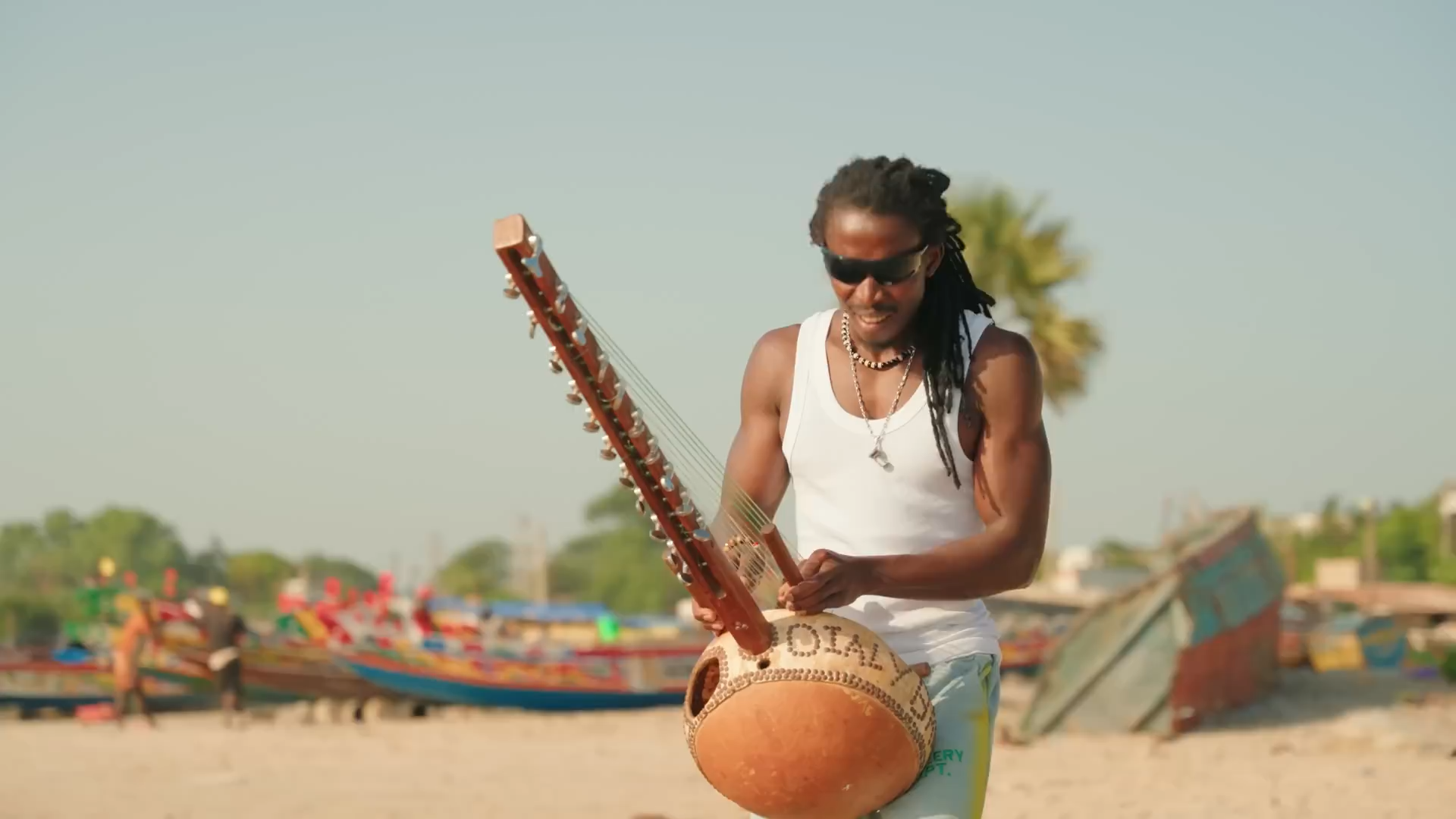
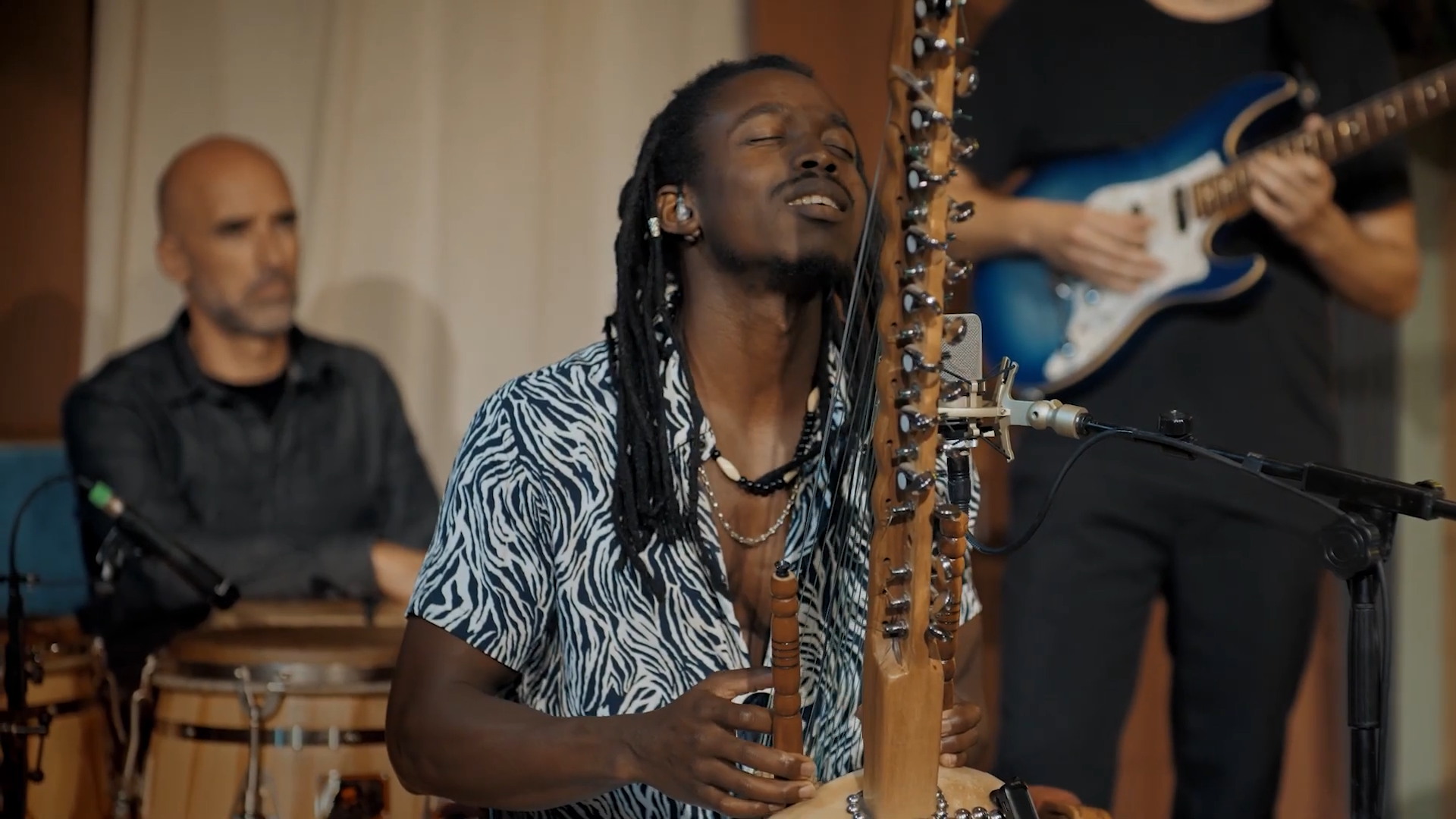
A particularly defining moment of Balla’s career was the encounter of an instrument he never expected to play: the kora. Unlike many griots who grow up in kora-playing lineages, Balla’s family were balafonists. “No one expected me to play the kora… it was surprising. But when it was given to me as a gift.. we learned to connect.”
He taught himself everything from scratch, moving through the complexity of an instrument that requires the left and right hand to function as two different melodic parts in conversation. One hand strumming a kind of bass line whilst the other navigates a melody. “Synchronizing both hands and singing over it takes a lot of effort… you need a real connection with the instrument.” For Balla, the kora is not something to dominate, but something to communicate and grow with. A relationship where mastery is achieved through connection rather than control.
Até Bayla: A Pulse Between Invitation & Release
Balla’s EP Até Bayla, released earlier this year and recorded with sound engineer Nathan Mercier at Autochtone Records, feels like a direct translation of his diverse musical and life experiences. The recording process wasn’t easy, “It was difficult, but we worked hard… and in the end, we came up with something really interesting.”
The title track, “Até Bayla,” is a distilled version of Balla’s signature duality. A sensual invitation layered with a subtle release of energy. “Até Bayla is an invitation to celebration and dance… but dance in an intimate sense.” As the song shifts into a reggae-infused looseness, it feels as if something is being unfastened. “The reggae side gives it a liberated feel… it releases the energy bubbling inside.”
“Kano,” another standout on the EP, dives into messy love, miscommunication, and external pressure, particularly from elders or family. “Kano is a love story between people who can’t listen to each other… and about parents who want to dictate everything.” When the track breaks into hip-hop, it’s a moment of rebellion. A standing up to the pressures of being controlled by other people’s expectations. “When you fall in love, it’s better to listen to each other than to listen to words that come from nowhere.”
Another stand out track off the EP is “Teriya,” meaning friendship. Teriya is Balla’s tribute to the relationships that have shaped him across continents. “It speaks about my journey from Senegal to France… and the musician friends I’ve connected with along the way.” Friendship in Balla’s world is the network that helps keep culture and story alive.
This sense of connection also comes through in the way he uses language. He moves between Mandinka, Wolof, and French, each one unlocking a different layer of artistic identity. “When I rap, I use Wolof. When I sing, I use Mandinka. French comes when I want others to understand the story too.” The shifts between languages are not simply stylistic flourishes; they’re emotional registers, a particular medium to express the message.
That same intentionality extends into his visual identity. His video for “Africa,” shot in Senegal with videographer Simon Hugues, reflects a real desire to tell story through imagery. “The visual aspect is very important… it lets the audience connect with the image,” sparking a curiosity to “want to discover what’s behind it.”
Where He’s Heading
Balla’s sonic identity is continually shifting and reshaping itself. “Of course it will continue to evolve… every year the arrangements and lyrics change a little.”
He’s open to collaborating across cultures and communities. Caribbean artists, Chinese artists, American artists. Anything that invites play, experimentation, and transformation. With a new EP on the way and a 2026 Guadeloupe tour taking form, Balla’s next chapter feels expansive and collaborative.
Balla, like every artist we spotlight at Common Threads, he shows us that the most powerful cultural work is the kind that never stops evolving.